ZOM – Multiversal Holocaust 7”

•June 19, 2013 • Leave a Comment

zom - cover hi-res (2) (200x200)If Sodom and Hellhammer had warp-driven our way via Alpha Centauri, they would sound like ZOM. Multiversal Holocaust, the latest batshit awesome, cosmological release by these Dubliner black/deathsters terrifies in ways astoundingly “out there” and utterly familiar all at once. Bassist/vocalist Chthon’s snarl arrives on Earth buried, drowning in enough delay to double as the thrills and chills-inducing voice of one cannibalistic alien menace, commanding court on Friday night ’50s sci-fi flick, his distorted laserbass raging loud enough to nuke everything else in the mix (a la ’80s Voivod). Even the attempt to sew perversity and space genocide together into any kind of potent subject matter would require no small amount of risk (or sack), but to do so successfully would be about as likely as your favorite green-skinned pole dancer actually liking you (unless, of course, you’re Captain Kirk). But ZOM dares and, in so doing, dominates, from the scream-laden, harrowing intro of the title track that I actually considered moving past before my Metal fearlessness reared up, to the manic Repulsion riffage and pace of ‘Terror of the Cosmos’, this 11-minute opus had me peering up at the sky in fear of a demonic, inter-dimensional deathstrike headed our way. And that, my friends, if you’ve been paying attention – is to me (and the like-minded) a welcome thing. Yet another ZOM release is also on the way this summer – a full length – so give yourself a couple early Solstice gifts and grab both this 7” and their upcoming, self-titled 12” dropping in July. -Jim Clifton

Iron Bonehead Productions

“This body of shorn limbs and torn veins…”

•June 12, 2013 • 7 Comments

We’re fast approaching the apex of summer in the northern hemisphere, and each of the studious worm gear monks are carrying further offerings to the solstice: old-school hymns to the death of spring from Coffins and Beyond, reverent black metal from the altars of Abazagorath and Night of the World, the rustic psychedelia of Ulaan Passerine, and the celestial radiance of Seirom. And there’s more to come… an outpouring of quality music this summer is supplying each of us with more reviews to keep the solstice fires burning.

Marty Rytkonen Playlist
Panopticon – Collapse
Pitch Shifter – Submit
Pitch Shifter – Industrisal
Abazagorath – Abazagorath EP
Portal – Swarth
Coffins – The Fleshland
Pungent Stench – For God your Soul… For Me your Flesh
Disharmonic Orchestra – Not to be Unidimensional Conscious
Forced Entry – Uncertain Future
Ildra – Edelland

Jim Clifton
My Dying Bride – As The Flower Withers
Midnight Odyssey – Firmament
Incantation – Diabolical Conquest
Ulver – Nattens Madrigal
Imperium Dekadenz – Meadows of Nostalgia
Cryptopsy – None So Vile
Battle Dagorath – Cursed Storm of Ages
Vex – Memorious
Master – Unknown Soldier
Sacriphyx – S/T

Jake Moran
Fearthainne – Knowing
Walknut – Graveforests and Their Shadows
Cedar Spirits – Cedar Spirits
Burial Hex – Book of Delusions
Seirom – 1973
Low – Things We Lost in the Fire
The Cloisters – The Cloisters + Little Summer / Little Winter
Echtra – Paragate
Agalloch – The Mantle
Alda – Tahoma

Abazagorath – S/T MCD

•June 12, 2013 • 1 Comment

abazagorathI would love to claim superior underground cred and go on about discovering Jersey’s Abazagorath way back in ’96, but the truth is, during that era, I was preoccupied with the sounds arising from Scandinavia and often found the USBM scene to be too stylistically brutal, or crossed with death metal too much to fully achieve that atmosphere that I crave in black metal. I do own “The Spirit of Hate for Mankind” 7” released back in 2002, but I tend to detest the medium of 7”s and the music went in one ear and out the other at the time, never to be played again. Who would ever have guessed the BM scene in Scandinavia and Europe would largely shift to a more aggressive outlet of delivery, kind of where the US guys were at in the 90’s/early 2000’s and now the US scene is tapping into the mystical/forest realm, but it has happened and our corner of the globe has proven itself as a force to be reckoned with when the moon rises and the all the worlds beasties come out to pay their respects.

Without having a lot of knowledge or musical history to compare this EP to in regards to Abazagorath lore, judging the material at hand was made far easier if not enjoyable due to the fact that this is a band that is churning out solid, if not a bit unspectacular, blackness that channels the 90’s European spirit. The 5 songs on this well produced (by Woe’s Chris Grigg) MCD all benefit from expertly constructed songs that embrace both a blasting speed and the good sense not to make such what I consider has become a debilitating genre staple, the main delivery in their music. Mid-paced moments of music, interesting riffs that drop out to allow the bass and drum breaks to create impact, rich harmonies and skilled solo work all reach into the core of this band to show that there is a level of maturity on display here looking to be appreciated. And I do appreciate Abazagorath’s efforts as I’ve spun this EP a fair amount of times since receiving it the other day. The vocalist is solid, if not a bit too traditional/dimensionless, but his higher register of screaming fits in with the blackened fuzz created by this band.

Granted, Abazagorath’s place in this world may not be adorned with praise for originality or legions of fans that clog up the metal message boards praising their BM overlords, but they can write a good song and are worth investigating if mid 90’s black metal is your thing and you’re not bothered by something that you likely have heard before. -Marty
NoVisible Scars

Beyond – Fatal Power of Death

•June 12, 2013 • 4 Comments

Beyond Cover Artwork Album (199x200)In much the same way Dark Descent’s impressive release schedule last year had a significant impact upon my playlist roster, so to does Iron Bonehead’s output in 2013 continue to bathe my ears in the blessed black. Germany’s Beyond are filthmeister’s of the highest order, delivering blazing DM dredged from the depths of the Rhine river. Vocalist/Guitarist Roland M. takes the charge with the ancient baked-in-reverb bark in hand, delivering it high in the mix with the cadence of a demonic Sgt Hartman; indeed, a sense that listener disobedience will result in one scrubbing toilets in Hell is palpable. Eschewing (in most moments) the outright originality of labelmates Bölzer for worship at the Altars of Madness, Beyond nevertheless season their cadaver casserole with cavernous (yet clear) production, tightness, and, occasionally, just plain weirdness that places them upon the higher echelon of the OSDM acolytes. The odd dose of Death/Doom here, downpicks there break up the continuous midrange-eq’d onslaught that makes up the bulk of album and, just when you smugly declare you can fully predict all that’s to come from Fatal Power of Death, the fourth (and title) track completely changes direction halfway though, welcoming you with female-choir synths and a melodic guitar line that shocks you with an impact the equivalent of mainlining crayons into your colorless, decaying veins. Thus you are beckoned to sojourn onward, and more surprises await. ‘Schizopsychotic Function’ climaxes with a Classic Metal outro riff specifically designed to snap the neck of any aging hesher, and no, there isn’t a trace of irony here – each note exemplifies pure unadulterated heaviness for the hardened heart. Up next, the disharmonic tremolo guitars and agonized howls of ‘Appearance From Beyond’ trap you in a Luciferian funhouse of dying clowns and warped sonic imagery. And in what maybe the most unique track, closer ‘Consuming Black Void’, a concoction of minor-key harmonies and ambience, completely embodies the promise inherent in its title as a galactic journey into aural oblivion. So here, fellow seeker, is what we are left with: a compelling album, not altogether groundbreaking, but an absolute contender for repeat plays and, most importantly, a vivid display of a band’s strong present and suspense-filled future. -Jim

Iron Bonehead

Coffins – The Fleshland

•June 12, 2013 • 4 Comments

coffinsWith 4 full-length albums to their credit and a swollen mass of split releases reanimating their back catalog, Japan’s Coffins have had 13 lucky years of wallowing in their own juices and reveling in the filth that is sickened death doom. Even though in the grand scheme of things The Fleshland is nothing new, it finds Coffins embracing what they are and further perfecting an already streamlined, though ghastly style.

The Fleshland finds Coffins emerging from their crawling doom affinity when it suits them by incorporating more of a punk flavored speed as witnessed on the filthy “Hellbringer”, “Dishuman” and “No Savior” (was that a blast beat I just heard?!), with even more higher register screams to accompany the abysmally tortured moans of guitarist Uchino. This addition to the bands songwriting formula wasn’t necessary, for their overall delivery has always been a welcomed means of escape to the killing fields for me, but this touch of stylistic expansion really gives Coffins a rekindled sense of conviction for their ungodly craft. Those plodding, triggerless drums and a guitar tone that sounds slightly out of tune and the distorted equivalent of blood crazed earth worms swarming below the surface… when this album ends, it feels like you snap out of the crust directed hypnosis to find blood on you hands and a body in the room. Coffins subtle variances in their song structures achieves a lot of milage out of these detuned and melting riffs. This, along with their overall tone, is their brilliance. The music simply embodies the soul of malevolence and no matter how you package or promote them, the music is worth getting lost in and the sole reason they have been exhuming the same wretched corpses musically for 13 years with little complaints from their growing fanbase.

In a lot of ways when surveying the competition and status of the death doom genre as a whole, The Fleshland arises from the audio serial killers and perverted blood fiends as a hulking audio monolith of disgust. In spite of it’s strict simplicity, this album is a real game changer, if not “game over” for those struggling to recover in Coffins wake. What a great and filthy album. -Marty
Relapse Records

Night of the World – Drive the Knife Deeper

•June 12, 2013 • Leave a Comment

Night Of The World - Drive The Knife Deeper - Artwork (200x200)Despite best efforts, some days just begin with a crawl, and on those days, nothing seems capable of awakening the senses. The shock of cold sink water on your face wears off too quickly, and your eyes narrow shut once again. Your third cup of coffee, while inspiring a colon cleansing, fails to deliver enough caffeine to lift your lids. On mornings such as these, one might instead reach for unrelenting Polish Black/Thrash for an overdose of hammering, hate-laden filth guaranteed to defibrillate any darkened heart into action. In 2013, Drive the Knife Deeper by new band Night of the World will suffice as your fructose-laden cereal replacement. No long, ‘creepy’ intros, no mild nudging of you into the abyss – oh no, not here. Night of the World get right to the point with the snare drum-flagellating ‘Throatcrush’, a song accurately foreshadowing the rifftastic barbarity of the music their debut contains. Power chords played in a frenzy are mated with speed-picked/palm-muted rampages, steeling across the fretboard in a bleached frenzy that have the band constantly straddling the line between raw Black Metal and Thrash. But this is Black Metal first and foremost, make no mistake; the insanely fast and impressive drumwork with its speed and punk-like production, the requisite but well-placed tritones, the evil electronics, and most of all, the voice of Namtar (also of Massemord) that comes across as a shoutier, more enunciated Arioch/Mortuus. And while this album mostly matches the pace of Marduk, later, once you are fully petrified and paying attention, shifts in tempo and tone do occur and are welcome for it. The boulder-heavy lurch of ‘Drive the Knife or Yourself Deeper’s second-half, replete with its simple but strong keys and Herculean riffery, painfully drags you by the ear to a lumbering end. And closing track ‘The Serpent Within’s bizarre space-riff , while veering between Voivod and surfpunk, nevertheless remains intense throughout, sincere in its admonition for you to ‘dare to worship him’. Better than any over-the-counter meth ingredient, Night of the World will give you a morning boost of BM at an efficacy level hucksters behind Five Hour Energy couldn’t even conceive of. -Jim

Folter Records

Seirom – Sparkle Night

•June 12, 2013 • Leave a Comment

R-4501981-1366678995-9084While the prolific Maurice de Jong (more commonly known as Mories) is more well known at this point for his putrid slurry of black, doom, and depraved noise under the signs of Gnaw Their Tongues and De Magia Veterum (among others), for myself he is foremost the man behind the blindingly radiant Seirom. Since 2011 Seirom has released a few digital EPs and one double album, incorporating elements of shoegaze, noise, post-industrial electronics, and occasional traces of black metal into the project’s unique, sample dusted wall of ecstatic sound. It’s the type of bright and noisy approach that tends to immediately conjure the term ‘blissful’, and while that is sometimes an appropriate descriptor for what Mories is doing with Seirom, it inadequately represents the feeling that is most present: a cathartic euphoria ascending from a depth of pain and melancholy. There’s an intensity intrinsic to that emotion that carves Seirom into a niche distinct from other blissed out bands.

That being said, compared to 1973 and the digital releases, Sparkle Night sees Mories taking a more restrained approach to Seirom. Although the wall of noise that manages to be both harsh and euphonious is still prominent here, it doesn’t dominate the sound to the same extent that it did previously. The scant vocals and sampled voices of 1973 don’t make an appearance here either, nor do the frantic blast beats or mournful cello. This partially stripped down arrangement allows more subtlety and clarity in the compositions of Sparkle Night, with the layers of sound more independent and clearly defined. The moments of overwhelming, ecstatic melancholy are still there; the title track revels in the huge and gorgeous sound that Sierom is (mostly un)known for, but it’s framed by more discreet, clean picked riffs and tremolo melodies, along with softer, less rapturous key drones and distantly pulsing bass. “Only Miss You When It Snows” opens with a simple piano melody that slowly shifts over to jubilant and pleasing melodies that wouldn’t be out of place on an album by any American post-rock band, while an industrial sounding beat grinds on, oddly cheerfully, behind the waves of distorted beyond recognition guitars and keys. The second half of this final song exemplifies how I feel about this release; the grating beat slowly drifts away as seraphic voices wash over a gently picked riff and the returning piano wanderings. It’s, without exaggerating, absolutely gorgeous and even reverent(a strange thing to say of a Mories release) sounding.

I’m glad to see Mories experimenting with Seirom and expanding it’s sound in this way. I loved the corybantic frenzy of 1973, and while he could have easily repeated it, Mories made the wise choice of expanding and altering Seirom’s core sound with this cassette by softening the edges to allow new textures and moods. It’s a satisfying maturation, marred only by the fact that it’s so short, only just pushing 20 minutes. Regardless, it’s another fine release, and leaves me with a healthy thirst for how Mories will incorporate these adaptations into the band’s (hopeful) next full length. -Jake

Sulphurous Productions

Ulaan Passerine – Ulaan Passerine

•June 12, 2013 • Leave a Comment

UlaanPasserine_largeSpacious. If I needed to fasten only a single word to this album, only spacious would be near to satisfactory. Ulaan Passerine is the most recent in a very long line of experimental folk, drone, and psychadelic releases from Steven R. Smith. I’ll leave it to others who are more deeply familiarized with the man’s discography to make direct comparisons between this and his earlier projects, but from what I have heard I think I can safely claim that this latest release is up to the same high standard of compelling and original music as those that came before it. It’s a dreamy and unhurried exploration of gentle drones and deliberate acoustic rambles, eschewing the more lively and noisey nature of the other two Ulaans.

The whole experience breathes a masterful sense of sparse composition as every moment of this roaming album feels in it’s perfect place, with vast reaches of that aforementioned space spreading between them. It easily avoids the trap of much droning music where a slow pace becomes equated with a lack of movement; here I can feel the passing of my body and the shadows of clouds drifting over the steppe like landscape. This psychosonic migration is slow and meditative, and while it does so with a tranquil subtlety, the topography is ever changing. At one moment you may find yourself basking in the sun drenched pickings of acoustic guitar interweaving with the pastoral melodies of the mellotron while subtly treated electronics gurgle like a stream in shallow but quick descent over moss coated rocks, and yet later you will walk on in reflective thoughts as bowed strings play solemn yet tender musings over a quiet and meditative electronic drone. I’m guessing that Ulaan Passerine is around an hour long, so I was curious on my initial listening whether or not it could stay interesting for the duration, but Mr. Smith handles this concern admirably; a thriving variety of instrumentation and mood, as well as the manner in which he manages to connect them together by gradually swelling and emphasizing one element of the sound while diminishing another ensures this tape remains compelling throughout.

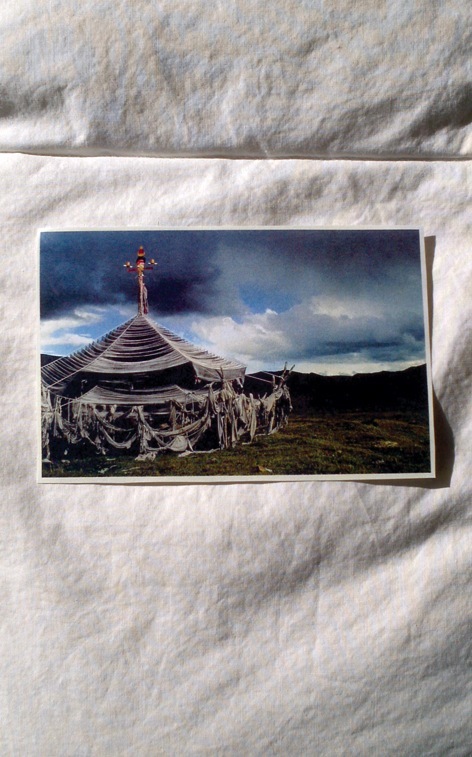
The physical presence is, in more than one way, actually a good representation of what Ulaan Passerine is. It’s rather minimalistic , but also striking and original. The photograph of the strange yurt-like structure in the foreground of an expansive land and sky scape is mysterious and inviting, without revealing much. It’s presence on clean white fabric gives it a strange domestic charm, and the lack of song titles gives it that same home-made, though far from amateurish, feeling. Ulaan Passerine walks a fascinating balance where minimal music is crafted into something absolutely vital, reminding us on the journey to stop and take note of those things that are imperceptible to the rushing mind. -Jake
Brave Mysteries

Even in the afterlife, there’s work to do…

•June 5, 2013 • 21 Comments

Arckanum interview received! We were a bit concerned there for a while, but Shamaatae has risen from his woodland isolation to share with all of you a brief glimpse into his world. Jim has sharpened his digital teeth on the Mystic Charm re-issue to fall deeper into a state of dungeon cult death/doom/black unholiness, while Jake ponders his move for next weeks update. The Graveland career retrospective is taking shape and we are all being crushed by the 1’s and 0’s that arrive daily in our email inboxes. If I hear one more retro/reinvented/redundant thrash band bringing the mosh to the modern world, i think I’m going to vomit on my Testament and Exodus albums in protest for all the festering poo they have inspired. Yeah… I guess I’ll leave it at that. Cya next week! Keep us busy with those playlists and comments! Tell your friends and families about us. We’re all nice gentlemen. -Marty

Marty Rytkonen Playlist

Kreator – Pleasure to Kill
Carcass – Necroticism: Descanting the Insalubrious
Manilla Road – Mysterium
Realmbuilder – Fortifications of the Pale Architect
Bolt Thrower – …For Victory
Disma – The Vault of Membros
Necrocurse – Grip of the Dead
Reverend Bizarre – Harbinger of Metal
Running Wild – Gates to Purgatory
Summoning – Old Mornings Dawn

Jim Clifton Playlist
Bolt Thrower – Mercenary
Bolt Thrower – Warmaster
Sepultura – Beneath the Remains
Mötörhead – Ace of Spades
Midnight Odyssey – Funerals from the Astral Sphere
Paradise Lost – Lost Paradise
Sort Vokter – Folkloric Necro Metal
Therion – Of Darkness
Darkthrone – Transylvanian Hunger
Obituary – Cause of Death / World Demise

Jake Moran Playlist
Kinit Her – Storm of Radiance
Bolt Thrower – …For Victory
Midnight Odyssey – Firmament
Ladyhunter – Philosopher’s Game
Massacra – Final Holocaust
At the Gates – The Red in the Sky is Ours
Elim Bolt – Nude South
Chagas + Schafer – Everything

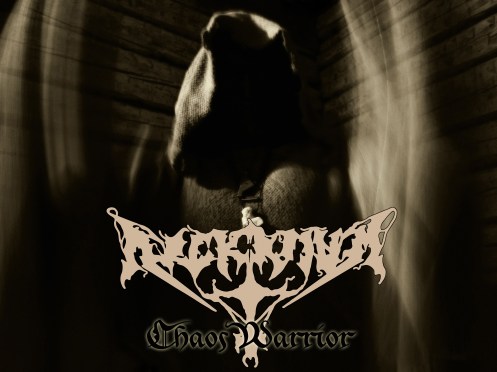
Arckanum – Chaos Warrior

•June 5, 2013 • Leave a Comment

arckanum_headerFor 20 prolific years, Arckanum has been a life consuming force of expression, spiritual exploration, and unique black metal supremacy for its soul creator, Shamaatae. The stripped to the charred core of this musical project has always possessed a creative voice that has stood out as something unique in the black metal world due to Shamaatae’s skillful union of black, punk and experimental elements. After falling into a brief sleep after 3 highly regarded albums for Necropolis Records due to business conflicts with that label, Arckanum returned to making potent and revitalized sounding albums that continued to build upon an already faithful fan base. I consider every album in this projects catalog to be something special, but with Fenris Kindir, a level of intensity and stylistic flair has been crossed which elevated the charisma and magical atmosphere plied by the hands of Shamaatae.

Having interviewed him so many years ago for Worm Gear #5, and being utterly inspired by the conviction and songwriting fire to be witnessed on Fenris Kindir, we sent out a slew of questions to Shamaatae to bring you all up to speed on what sort of torment the years have brought him in his pursuit for musical destruction and complete absorption into the anti-cosmic continuum. -Marty

Worm Gear: Greetings Shamaatae! Arckanum has been a mainstay in your life since 1992. Your dedication to this artistic vision and your own identifiable style for over 2 decades is commendable You have seen the black metal scene change with the rise and fall in popularity, creativity, and extremity. How do you feel that Arckanum fits within this now vast genre of music? Do you still feel like you are a part of this “scene” or does the isolative sound of Arckanum very much reflect the similar life repelling feelings within yourself?

Shamaatae: I can’t say that Arckanum has been involved in the scene since the 90’s, hence I might not be a part of it. I am not a black metal dude abusing alcohol and drugs, fucking groupies and hating on the internet (I live in the middle of the woods without phone and internet); I take my existence seriously as a Chaos-Warrior, not as a human but as a spiritual being. I live for mighty Loki’s purpose, I live for Angrboða’s law of lawlessness – I live to free my anti-cosmic spirit and worship the acosmic Chaos. The involvement in the black metal scene is not what is important to me and Arckanum, obviously people like my creations anyway.

WG: In the past you have stated that you suffered an incredible amount of difficulty, loss, and dishonesty at the hands of Necropolis Records, so much so that you considered stopping music all together. What was the deciding factor to push on with Arckanum? Are you glad you did?

S: True, but after telling the little c**t Paul Thind to fuck off I felt better. I don’t think I’m capable of quitting Arckanum, I got too much inside that needs to break out (it might be my autistic traits).

WG: With all you have learned in the past with dealing with untrustworthy individuals, how do you approach your working relationship with new labels? What sort of advice would you offer for newer bands starting out, eager to sign any contract just to get their music out there? Are labels even that necessary anymore these days with the rise of the Internet?

S: Well, I have switched labels quite a bit, that says something about me being a bit pickier. All labels seem awesome in the beginning, but it all comes to when they are supposed to pay up, then you discover the true nature of their honesty. Good for me Seasons of Mist is an awesome label. Debemur Morti Productions is also a very good label; highly recommended.
My advice would be to research the labels, ask people who been in contact with them. Don’t just set with the first one which is contacting you, many will just give you a shit deal and feed you left-overs. Make sure to understand the contracts; they DON’T have to be complex. Best is to live close to them so that you can visit them and kick their asses if they screw you over!
No, labels might not be the best thing for you. The best thing, of course, would be to keep outsiders’ greedy fingers out of your business, but it is a little more complex than that. It all depends on what you want to do with your band. To do all the promotion, tours, pressing CDs/LPs, shirts, etc., yourself is fucking hard. Do you have the budget? Do you have the contacts? Internet is only a part of what needs to be done. Try it and see for yourself. My spontaneous thought is: when are you going to have time to rehearse?

WG: “Shamaatae” has been an interesting figure with this band, once shrouded in mystery and hidden behind the now infamous mask. As the project has forged on over the years, what does Shamaatae mean to you? Do you still feel the connection to it that you once did? If you see it as a part of your inner self or personality, how has it developed or diminished over the years? Do you ever see a time where you no longer need the mask, or is it engrained into the mythos/essence of Arckanum at this point?

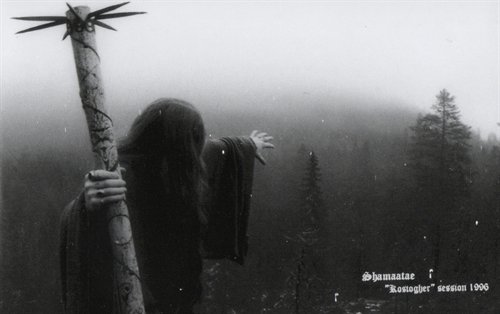
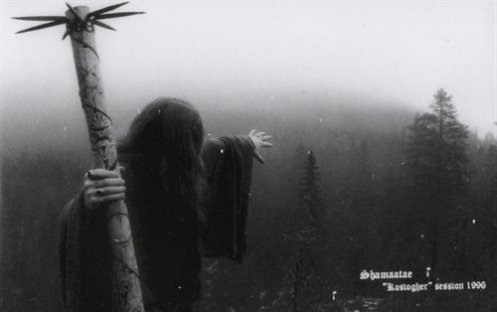
shamaatae 3S: The mask is a ritual mask which is a part of my shape-shift workings. It brings out a certain side of me which makes my essence evoke familiar atmospheres, things I need to create. The mask is just a physical item, but the feeling it evokes makes it magical to me. As I grow the mask grows with me in the sense that I behold it from different perspectives from time to time. I would say our relationship is organic.

WG: As a fan and follower of your work since Fran Marder, I have always appreciated Arckanum’s unique take on black metal which is something that you have maintained and built upon the entire length of your musical catalog. What do you attribute this inspiration to? Who were the bands that sent you down this path and what do you think you have done to make the music truly your own?

S: First of my occult interest have had a huge impact on my creations, without it I would probably not even have started Arckanum. And I have always listened to obscure black metal, I always thought that when bands got a record deal and was sent to a good studio their sound was destroyed by cleanness and fat bass. Take Marduk and Unanimated for example, their sound and feeling were fucking awesome on their demos, but when they recorded their first album it sounded like shit to me; overproduced. Even my debut album suffered from this, my demo Trulen had the most awesome sound, by me, then I got to go to Abyss studio and record Fran Marder and my sound was ruined. I realized this though and got my shit together on Kostogher.
I used to listen to Necromantia’s demos, a lot of early Swedish, Finnish, Norwegian, Polish and Greek black metal demos, as I thought they were the only ones understanding the black metal sound. Of course there are exceptions, many bands all over released some grim demos, I’m just speaking in general here. I believe my fondness for demos and vinyl 7”´s formed my simple productions.

WG: On the first 3 Arckanum albums, Pan was the driving force of your lyrics which you sung in ancient Swedish. This was very unique for the time and in regards to typical black metal themes. How do the ideas of Pan worship and Anti-Cosmic Satanism intersect/relate to each other? Do you feel that you said all you wanted to in your anthems to Pan? Were you afraid that you were painting yourself into a corner with the subject matter?

S: Well, everybody who is interested in reading about this should read my book Panparadox. It is impossible to explain this complex matter here. Put simply, I evolved in my religious journey and found multiple paths to gnosis. I did not want to stagnate so I pushed on and explored other aspects of the abyss. Pan is important, but the journey doesn’t stop there.

WG: Your latest album, Fenris Kindir, strikes me as possessing a vibrant fire and intensity that begs for repeated Arckanum-Fenris Kindir-cover-small-version--900x900px-72dpi-RGBlistens. The albums leading up to this release had it as well, but the material and the production feels far more aggressive, almost loosely punk based at times, giving it an urgent push and more of a destructive quality. How do you feel this material sits within your body of work? Did you achieve the atmosphere and desired force on this album? It just feels like you hit a creative peak this time around that you have been reaching towards for several years…

S: I think I found a good style that fits my writing of music on this album. This album is so aggressive and more powerful because it is about mighty Fenrir.

WG: Another aspect of Arckanum that has evolved over the years, is the ambient/experimental tracks that lurk between the metal songs on your albums. They have always been a nice contrast, but I found the ritualistic elements on Fenris Kindr to be quite chilling or creepy this time around. Are you feeling more focused or comfortable working within this style? What feelings or visions do you hope to unlock with their inclusion?

S: During time you get better at creating atmospheres, and I feel I’ve found a good way to create the atmospheres that I fantasize about. On Fenris Kindir I wanted the feeling of war and rebellion.

WG: Fenris Kindr, like a lot of your albums, has a concept behind it, or a tale to tell. Could you share what went into the lyrics this time around?

S: “This album is a dedication to the flaming giant-wolf, son of Loki; created from the Chaos-fires of Múspellsheimr. It is a tribute to the wrathful giant-wolf, son of Angrboða, found in the Ironwood where he is breeding hordes of giant monstrous wolves with Angrboða. His victorious name is Fenrir, also called Tungls Tjúgari! Hail Fenrir!
The sounds and music on this album are my auditory vision of the march of Fenrir convoyed with his hordes of giant wolves from the depths of the underworld to face Ragna Rök with warlike glory – deformed giant-wolves swarming in thousands.
The Old Norse saga Völuspá (40-41) says: “In the east of the Ironwood (Járnviðr) she the Old One (Angrboða) sat and there bore Fenrir’s Kin (Fenris kindir). One of which became the most worthy of them all, the One taking down the sun/moon with a two-pronged pitchfork (tungls tjúgari), in a troll’s shape. He fills his belly with the corpses of dead men and defiles the houses of gods with blood. The sun’s beams blacken during summers and the weather grows stormy.” The later saga Gylfaginning (51) reveals Fenrir’s flaming Múspell-descent during Ragna Rök: “Fenrir shall advance with gaping mouth, and his lower jaw shall be against the earth, but the upper against heaven, he would gape yet more if there were room for it; fires blaze from his eyes and nostrils… The Sons of Múspell shall go forth to that field which is called Vígríðr, thither shall come Fenrir also…”
This is my tribute to the wrathful, harsh and untamed anti-nature of Fenrir’s mighty essence! The anti-cosmic enemy of the worlds!
Heill Tungls Tjúgari! Heilir Fenris Synir!”

WG: Do you need a creative spark found in your research to drive the musical content on your albums when it comes time to create? How closely are the 2 sides of creating an Arckanum album related/important to each other?

S: Yes, I would say that my studies, my religion and my music go hand in hand. Without my religious path Arckanum would be a waste of time, for me.

arckanum-shamaatae-2WG: Having authored books on Chaos-Gnosticism, Anti-Cosmic Satanism, and Old Norse religion, you have dedicated a great deal of your time and spiritual quest on the darker, more destructive side of religion, enough so to have the knowledge to teach others of your findings and beliefs. What was it about these teachings that inspired you to delve deeper into the concepts and ways of spiritual enlightenment?

S: The possibility to be spiritually freed from the mundane shackles. The flames of Surtr have always been calling for me, and I do my best to reach out to embrace this calling.

WG: How have these beliefs changed since you have become a father, if at all? Is there anything that you have discovered spiritually that you hope to share with your child, or even shield them from when they have reached a point in their development where religion could be a factor?

S: The only thing that has change from my normal practice is time. It is a bit harder nowadays to stay up all night and sleep in. My son has autism and his routine is to wake up at 06:30 every day to watch Star Wars, he doesn’t care if I need to sleep in.

WG: You have stated in the past that ritual is important to finding your center when it comes time to create. Has your ritualistic practices changed over the years as you have come to know and become influenced by a wider scope of religions? Do they still play an important role in your life?

S: I evolve every week as a person, spirit and as a practitioner of Thursatru. My ritualistic workings are developing with me of course: stagnation and ignorance are Yahweh’s way to keep us blind and imprisoned!

WG: Knowing that you started off primarily as a drummer, you have become a multi-instrumentalist as well. Was this out of necessity? Is percussion still your calling/comfortable instrument, or do you prefer others when it comes to the songwriting process? What do you feel you’re most effective with in expressing yourself?

S: I still consider myself a drummer. It was a necessity for me to learn to play guitar etc., I don’t really practice my instruments, and I only play when I’m in the studio. My pen is my sword 😉
 
WG: Does the music of Arckanum fulfill you as an artist? I know you have been in other bands over the years, but does this musical entity give you enough so that you really aren’t as interested working with other artists?

S: Yes, Arckanum is enough for me. What satisfies my artistic side the most is my writing.

WG: Thank you Shamaatae for again taking the time to enter the halls of Worm Gear! Your last appearance was in our 5th issue of the print zine, in 1997. We’re honored to obtain an even deeper glimpse into your world! Time certainly flies! The final words are yours…

S: Thank you for your support! Hail Fenrir! Hail Ragna Rök!
shamaatae pic 1

https://www.facebook.com/Arckanum.Official

Mystic Charm – Shadows of the Unknown (reissue)

•June 5, 2013 • 2 Comments

MysticCharm_New_Cover (200x200)It would appear, for better or worse, that the underground will never be short of relatively unknown nuggets of extreme music to excavate. But with the confluence of material being plastered before us in unending promotional campaigns and obnoxious, flashing banner ads, the ease at which even the most ‘die-hard’ amongst can inadvertently ignore something worthy of attention can be at once alarming and justifiable. Into this realm of saturation comes the re-release of 1994 album Shadows of the Unknown by Mystic Charm, and with it a resurrection of quality ’90s Death/Doom. A prologue of misty, dark ambient sound heralds the opening salvo of the title track (and in unexpected places in others), with classic Doom riffs lingering close at hand. Their harbinger: a guitar sound/distortion not unlike the one found upon the classic Beneath the Remains, but here imbued with enough bass frequency for your headphones to cry ‘uncle’ upon every plucked note. As each dirge builds in intensity, structures often take a blissful downturn, with clean, classical guitar passages – reminiscent of My Dying Bride and Paradise Lost’s earlier. better days – deftly maintaining the melancholy throughout. But yes, the full-on Death always arrives, and when it does, unabashedly powered by the force of ‘Into the Pandemonium’ vintage Celtic Frost (and a bit of ‘Slowly We Rot’ vintage Obituary) the influences of the album coalesce into a character all Mystic Charm’s own. The simple energy and presence of their female vocalist’s Warrior-esque vocal rhythms – delivered in crisp barks and whispers – and the band’s demonically dirty guitars prevent these Dutch Death/Doomsters from mirroring too close the more sappy purveyors of their style from that time, keeping each track separated from the head-up-the-ass affliction inspiring snores amongst other like-minded albums. Mystic Charm’s only full-length remains a quiet killer of an album, having aged gracefully in the dustier regions of (hopefully) more than a few obscure Extreme Metal vinyl collections.

Remastered by the original members and featuring a new (and, for once, better) album cover, Shadows of the Unknown does what every moody Doom Metal album does, but without sacrificing any of the raw attitude that also awards it the Death Metal tag. The re-release’s inclusion of the Endless Sickness EP will confirm your suspicion all along that, under all the atmosphere, a DIY-(almost) punk arrogance lies pulsing within, just as it once did with their obvious Swiss hero from Hellhammer. Mystic Charm, come back and bring more of that audacity with you. Extreme Metal enthusiasts could use bucketloads more of it. -Jim

Memento Mori

Remember with no sadness … the final request

•May 29, 2013 • 19 Comments

Slack-assed am I this week, so in deference to Marty and Jake who actually contributed reviews tonight I’ve taken the reins of the update introduction. This time Marty describes his experience with Siberian-temp Black Metallists Hagl, while Jake brings it back Scott Candey-style with the powerviolence of Pharmakon to ponder over. What more could you ask for (aside from additional review material, courtesy yours truly)? Ah well, next week I’ll get back on the horse with … well, something; possibly a cult Dutch death/doom album from 1994 that’s about to be reissued…try and guess what that will be (no googling!). Anyway hope all of you had a Memorial Day worth remembering. If you’re in Chicago, I’ll see ya at Bolt Thrower Saturday night (Jake will be there as well). Buy us a fucking beer!!! \m/

Jim Clifton Playlist
Misery’s Omen – S/T
Bölzer – Aura (amazing shite)
October Falls – The Plague of a Coming Age
Burialkult – A Call From Beyond the Grave
VHOL – S/T
Agalloch – The Mantle
Mötörhead – The Iron Fist
Bolt Thrower – Realm of Chaos
Bathory – Blood Fire Death
Panopticon – …on the subject of mortality

Marty Rytkonen Playlist
Tartaros – The Grand Psychotic Castle
Hagl – In The Heart
Autopsy – Macabre Eternal
Manilla Road – Atlantis Rising
Sacramentum – Far Away From the Sun
Slayer – Show No Mercy
Gamma Ray – Land of the Free
Carcass – Heartwork (It has been a while since I’ve spun this, but it hasn’t held up well. Hugely overrated! Go ahead and HATE!)
Puissance – Mother of Disease
Cruciamentum – Convocation of Crawling Chaos Demo

Jake Moran Playlist
Bölzer – Aura
Circulation of Light – Acheiropoieta
Wreathes – S/T
Kinit Her – Storm of Radiance
Burial Hex – Eschatology II
Gorgoroth – Pentagram
Gorgoroth – Antichrist
Trust – TRST
Forgotten Woods – The Curse of Mankind
Symphonia Sacrosanta Phasmatvm – Path to Yirah

Hagl – In the Heart

•May 29, 2013 • Leave a Comment

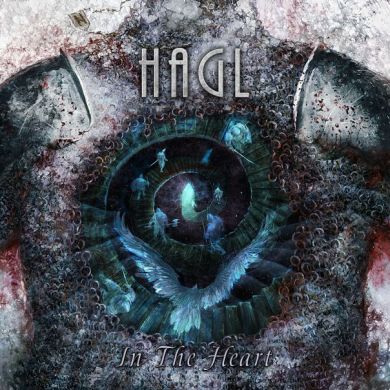
hagl2There is something special or maybe a bit “off” about  Russian black metal bands that always sets them apart from the outside musical world. Yes… this is a good thing! This strain of uniqueness maybe makes it more difficult for fans of the genre to fully appreciate them, or perhaps it is simply a chore to investigate such a deep and though to discover underground arising from this fertile land. There are seemingly 2 predominant groups… the folk driven heathen bands (Kroda, etc) and the more traditional black side. Sure there are sub-genres and always a full bucket of NS bands to either enjoy or steer clear of, but no matter what category you clump the music into, you will hear right away a very unique accent cutting through barbarically screamed vocal lines. Bands like Old Wainds (older material) are the perfect example of this “cold” vocal sound and it can even be heard on Hagl’s 3rd full-length album, “In The Heart” for a nice break from the norm.

Hagl reside in the more melodic traditional black metal realm, benefiting from a full/professional production that allows the colorful harmonies and waves of melodic dissonance to swarm in a well considered storm of Dissection being crushed by the Iron Curtain. Add uplifting and subtle folk sensibilities found in the movement of the riffs (without becoming too fruity or unacceptably “happy”) provides a memorable foothold for a bulk of this material to stand on and take flight. Tracks like “Howl As A Wolf” explode with a sharp intensity yet never lose site of expertly paced dynamics via smart tempo shifts and fiery tremolo riffs that shift off into more emotive and full chords for more of a personal glimpse into the soul of this band. As mentioned earlier, the vocals raise the airwaves with a harsh wash of high end screams that add a sense of uneasiness to this otherwise strong and sensible musical statement. Swarm’s (vocalist and multi-instrumentalist) delivery is pretty straight forward as he never deviates from the driving and painful attack, but is a nice contrast up against the melodic nature of the music, filling in any holes that let the light in, with a cancerous determination to dwell within a dark solitude. Having said that, I was actually relived that there wasn’t any half assed attempts at clean singing to try and empower the mild folk elements that may dwell within the background via subtle synth embellishments and the lighter spirit in the riffs themselves.

In the Heart strikes me as a very mature album from a band that now has 3 full-lengths worth of material to refine their craft and realize what they want and need to be on a musical level. Granted, if you are scouring the Earth to find nothing but pure uniqueness still clinging to life in the black metal world, perhaps Hagl haven’t carved out enough of a purely creative voice just yet, BUT this album is incredibly solid and I found the riffs and songs to be rather inventive and full of conviction enough to make me want to keep this album in the listening rotation. -Marty

Casus Belli Musica


Pharmakon – Abandon

•May 29, 2013 • 1 Comment

sbr099-frontObserving the attention that Pharmakon’s debut LP has received from “hip” media has been both strange and slightly embarrassing, as always seems to be the case that when the Pitchforks of the world set their attention on the more extreme and isolated genres of underground music. While even the most violent and obscure of metal are relatively well handled by more mainstream press at this point (I still remember when Unholy Cult was released and Pitchfork referred to it as a “black metal” album), the realm of power electronics is a new one for them. As such, in spite of the praise it’s received, I’ve read very little about Abandon that actually says much about it, at least in the context of power electronics as a whole. After seeing a certain reviewer describe this album as “industrial punk”, I decided it would be worthwhile to write some of own, hopefully more informed and critical, thoughts on Abandon.

After all, in spite of the hype, there is substance to be found here. When Sacred Bones records releases an LP, it’s almost guaranteed to be a quality work, and Abandon is no exception. From the introductory, agonized scream that becomes encoded into the harsh soundscape of “Milkweed / It Hangs Heavy”, Margaret Chardiet shows that she is no amateur at the grating and violent world of power electronics. It’s followed up with a rattling and cold chaos of scraping metal, clinking chains, and vocals distorted and twisted into an inhuman cacophony, before a heartbeat is paired with deep horns sounding the wild hunt and the disgusted and tormented shrieks return. So far so expected for a power electronics project, but Pharmakon has more up her sleeve throughout the album; grueling marches through bass frequencies low enough to pulverize concrete and bones, distant and ominous clean vocals that sound like the entranced mutterings of some Delphic oracle announcing doom, and surging rivers of twisted and disfigured electronics that weave their way into the deepest chasms of your mind. On a purely textural level there is an impressive amount of variation and depth to this short LP, which is an especially important element to any power electronics release, though it is only a piece of what makes an album compelling.

The flow of the songs and the album overall is equally important, and often neglected, to the goal of bringing the listener on a truly harrowing experience into the forgotten and rejected elements of the human psyche. Thankfully, Abandon does not disappoint here either. Each of the 4 songs is cloaked in it’s own identity, and while many power electronics releases are guilty of cramming their songs full of so much shit that any structure present is drowned in the wall of sound, a tasteful minimalism reigns throughout this cathartic spell; every sample, scream, and pulse of noise feels meaningful to the narrative of each song. In fact, in this sense it’s easy to see just why Abandon has been so quickly accepted by people who would normally never touch the likes of Genocide Organ or Nicole 12 with a sanitized glove. While it’s easily as harsh and unrelenting as any power electronics terrorist cell, it forgoes both the wall of sound approach and the anti-social subject matter inherent to the genre, and while this material is still far away from what you would call “palatable”, it is on the far end of accessible relative to the heritage it’s being drawn from.

Where does Abandon stand then? It’s a solid album; pleasingly violent and discordant while relatively accessible for those who aren’t deeply ingrained in the bizarre world of death industrial and power electronics. Is it as amazing as it’s been heralded by the taste-setters feeding from the hand of (the admittedly solid) Sacred Bones? Maybe not; it’s disappointingly short and the project still has a lot of room to grow at this point, but it’s still an impressive debut, and well worth a listen for those willing to subject themselves to a harrowing and painful, but somehow rewarding experience.

We must be one with darkened earth…

•May 22, 2013 • 10 Comments

The worms return from their slumber in the dirt with ripe reviews! The sudden profusion of life in the heat of early summer has kept all of us occupied with new responsibilities and challenges all around, but it appears that we’ve oriented ourselves once again to a world considerably greener and brighter by the day. Marty shares his thoughts on the latest, odd deathgrind of The Senseless, Jim gives his judgement on the debut EP of surreal death metal by Bölzer, and Jake ponders on the psychedelic folk rock of Hexvessel, the Emperor-esque black metal of Monarque, and the mystic psalms of Hammemit. As always, more exciting material is brewing in the deepest chasms of the worm heart, but until then, these reviews should prove a more than ample portion of obscure music. -Jake

Marty Rytkonen
Dead Can Dance – The Serpent’s Egg
Dead Can Dance – Spleen and Ideal
Scanner – Hypertrace (Reissue)
Carcass – Necroticism: Descanting the Insalubrious
V/A – The Absolute Supper 2CD
Whiplash – Ticket to Mayhem
Panopticon – Collapse
Vektor – Outer Isolation
Woodtemple – Voices of Pagan Mountains
The Cure – Seventeen Seconds

Jim Clifton
Sabbat – Envenom
Sacriphyx – The Western Front
Arckanum – Fenris Kindir
Faustcoven – Hellfire and Funeral Bells
Pig Destroyer – Book Burner
Bathory – Nordland I
Nominon – The Cleansing
Ataraxy – Revelations of the Ethereal
In Solitude – S/T
Victor Griffin’s In-Graved – S/T

Jake Moran
Raising Holy Sparks – Kara Sevda (mostly this, on repeat, all week)
Midnight Odyssey – Firmament
Colleen – Weighing of the Heart
White Medal – Alone As Owt
Angel Olsen – Half Way Home
Romannis Mötte – Kozmische
Troum – Eald-Ge-Stréon
Richard Moult – Rodorlihtung
Amorphis – The Karelian Isthmus
Hammemit – Everything


Bölzer – Aura

•May 22, 2013 • 1 Comment

bolzder_aOn the opposite side of a metaphorical wall of mediocrity lie artists that truly have found their own voice, and stand ready to scale what lies before them in defiance of the easy categorization that burdens those with less ambitious sounds. One such collective of creators are Bölzer, a Swiss band standing brave at the pulpit of Black/Death Metal, preaching a gospel of riffery utterly original in execution and composition. Somehow these eerie maniacs manage to create sounds syrupy and screechy all at once, with tremolo-picked noises played way up the nethers on the guitar neck one minute, then down on the dark frets at the very next instant. The music has a spiraling effect to it, bouncing in dynamics from melting DM minor keys to maniacal BM tri-tones that, placed together, have an oddly melodic feel that a circa-1989 Kim Thayil would appreciate. Vocals have an autocratic cadence to them, equal parts mad dictator, howling cult leader, and monstrous Grendel, and each style – disparate as they are – work together in the otherworldly maelstrom the three songs of Aura inhabit. In just 23 minutes, this MLP has not only scaled that proverbial ‘wall’ mentioned earlier, but have sauntered their way onto my ‘best of the last five months’ list (deja vu …). Time will tell if it remains there, as 2013 has a good long way to go, but the fact I’ve spun this eight times already and feel as though I am just getting started with spending time on the album is a sure sign of its staying power. The diversity of Aura’s sounds and obvious amount of thought and skill put into its tracks, especially the long (but far from arduous) ‘The Great Unifier’, strengthen the intrigue of each repeat play.

Coming off the excellent (and sold out) Roman Acupuncture demo with Lucifer’s brethren beckoning at their heels, Bölzer are putting the pound and power of Swiss evil back onto the path of the extremity. Trust me on this one, the 500 copies of Aura will not last. This is not an MLP that will collect dust on your shelf, nor are Bölzer a band that – now or later – will bore. -Jim

Iron Bonehead

Hammemit – The Ghastliere Morrowe

•May 22, 2013 • 2 Comments

coverAmong my music collection is a small gathering of recordings that I refer to as “albums that ruin other music for me”. These are the few albums that I would, without hesitation, give up the entirety of the rest of my records for if I had to make the choice. Every one of them is impressive for the unique and vital craft of the music contained within, but what makes them so truly special is their ability to deeply move me on a personal level. Listening to them affirms for me the actual potential of music; not as mere entertainment or a distraction to fill up time and stimulate the senses on a superficial level, but rather as a form of expression that can stir those primordial and essential parts of our deepest selves that lie buried and inaccessible in everyday life. Transitioning from an album like The Serpent’s Egg or A Blaze in the Northern Sky to just about anything else is akin to reading a book like The Magic Mountain and following it up with some mass market paperback; they reveal lesser art for the hollow shell of experience it is.

Since I discovered the enigmatic Hammemit in 2009 with the release of the noisey, surreal, and exceedingly challenging Nature Mystic, I have been absolutely enthralled by their obscure “mediæval music for modern sensibilities,” as well as the many other emanations from clandestine projects of the mysterious hermits behind this pilgrimage into the unknowing. Now that The Ghastliere Morrowe has finally been unveiled at a reasonable price by Fort Evil Fruit, I think that I am comfortable initiating Hammemit’s discography into that shrine of sacred albums. Take care though: the sacraments of Hammemit are not taken easily, and the truth in the meditations is not descryed without studious contemplation.

The Ghastliere Morrowe travels many of the secret paths that Hammemit has trode in their past pilgrimages; avoiding the plunges into hadal depths that were explored in From The Old Hills Desolate… while introducing subtle transmutations and new insights into the hermitical wanderings earlier expounded. Devotees of the band will be as comfortable as one can be with Hammemit’s unique style, but for those that are unfamiliar I will do my best to describe the character and spirit of this foreign sound. The primary instrument of their work is the electric guitar, wreathed in strange echoes and emitting airy drifts into the firmament, occasionally strummed chords that cannot be easily traced to any familiar and modern form of music, and hypnagogic trudges into old caves and catacombs. The dissonant tunings and keys could be related to some modern classical, but the atmosphere and mood that Hammemit evokes is unlike anything else that I have ever discovered. The Ghastliere Morrowe is carried by more than guitar though; minimalistic and ritual percussion occasionally drags the listener across some of these songs, an almost peaceful flute soothes our worn bodies as we lay by the “Sacred Hidden Spring”, the vocals range from droning chants to ghastly screams and eerie howls, and humming synthesizers shudder murky drones and odd melodies into the mind.

Last week I was talking to a friend about Hammemit when I described them as ‘medieval dark ambient’ for lack of a better term, but it really doesn’t capture what Hammemit is all about. There’s no part of their discography, including The Ghastliere Morrowe, that feels exclusively “medieval”, “dark”, or “ambient”. It’s often severely dissonant and alienating, but even when the unearthly screams lay their dreadful pallor over the cacophony there is never a sense of posturing “evil”. Instead, they seem to tap into something far deeper, where the normal human (or is it modern?) perception of the world is rendered irrelevant. If you search below the grime and filth of The Ghastliere Morrowe, you may find what I did: a meditative realization of awe and wonder interweaved into the veins of this oft appalling music; “Nature’s Beautiful Ugliness”, indeed. For myself, it is this feeling that defines all of the psealms of Hammemit and marks them as such a unique and special band, and it’s not something that can be put into words. It needs to be experienced for itself. The idiosyncratic wanderings of Hammemit on The Ghastliere Morrowe are once again as idyllic as they are utterly foreign; each song opening a window into half remembered dreamscapes where the borders of memory, impression, and dream have deliquesced into a nebulous recollection of some distant, senseless bliss. -Jake

Fort Evil Fruit

Hexvessel – Iron Marsh

•May 22, 2013 • Leave a Comment

Iron marsh coverThe release of Hexvessel’s No Holier Temple last year found me at just the right time. It’s wilderness obsessed cauldron brew of psychedelic rock and brit folk, with strange and viscous lumps of black and doom metal sometimes rising through the oily film of the surface, made an ideal soundtrack to my autumn nights in solitude among the copper country of Michigan’s upper peninsula. Half a year later with the sun ascending into summer heights and myself back in the over civilized south, a new efflux of magical and apocalyptic hymns has already been brought forth by the strange collective of musicians behind Hexvessel. Does Iron Marsh tap into the same mystical veins and secret forest springs that No Holier Temple lead us to with its strange and uncanny tunes? Well, no suspense necessary; it does. This hefty (over 30 minutes long in 5 songs, though one is a Yoko Ono cover and another is a new take on a song from Dawnbearer) EP is just as enchanting as the album it succeeds, while still managing to bring enough of its own personal magick to justify another, shorter trip into the psycho-sylvan realms of Hexvessel.

Iron Marsh is initiated with many of the familiar sounds of No Holier Temple brought into a new context; a droning riff that seems drawn from both the doom and folk revival traditions of the 70s, with sonorous horns and distant chants informing us that, “this is the end of the world.” This apocalyptic trance eventually dissolves into a seething swell of prog rock riffing, tenebrous violin dirges, and drumming that feels dazed as often as it does militaristic; before it finally climaxes into a cosmic metamorphosis of psyched out soloing, supernova synthesizers collapsing into black holes, haunting organs, the violin now sharp and cutting. And that’s only a little over half of the song. It’s tempting to go into such ludicrous detail for every song on this EP, not only because each is so good, but because Hexvessel, as they did on No Holier Temple, have made every moment on this album so distinct and varied. This isn’t done at any cost to the coherency of the album though, it all fits together marvelously well. Kvohst’s vocals are just as soulful and charming as they were on No Holier Temple, and the lyrics as poetic as I would expect from him, while the atmosphere of Iron Marsh carries the same power as well: some kaleidoscopic vision of a children’s folk tale wed to an apocalyptic and occult gnosis with the wilderness. There’s not much more to say: Iron Marsh is a great release. It does sound slightly over produced to me, but I would guess that it will sound just fine to those with more reasonable tastes. It follows the path of No Holier Temple closely enough that I would recommend picking up the full length first if you’re unfamiliar with Hexvessel, but if you already found yourself under it’s influence, then there’s almost no question that Iron Marsh will be one cosmic fire you’ll be glad to vaporize in. -Jake

Svart Records

Monarque – Lys Noir

•May 22, 2013 • Leave a Comment

SP033If you’ve spent enough time spelunking in the brackish caverns of black metal’s basement (nevermind the foetid smell of mediocrity and “20 years too late” clinging to the walls) you’ve likely brushed a limb against the small and subtle, though far from impotent, Quebecois black metal scene in the darkness. The rousing, boreal landscapes of Forteresse, the medieval nostalgia of Csejthe, and the occult, folky bizarreness of Neige et Noirceur, among others, have earned a certain notoriety for primitive yet elegant black metal emanating from our French speaking neighbors to the north. Delve deeper into the past and you’ll find that the roots of Quebec reach deeper than most are aware of. 1998, years before any of the aforementioned bands ever wove their first melody, Sorcier des Glaces and Frozen Shadows released their first albums: Snowland and Dans les Bras des Immortels. These frozen monuments were two of the more interesting takes on the Scandinavian sounds of black metal in North America at the time. Their unmatched evocation of both the implacable harshness and the awe-inspiring beauty of winter in the northern wilderness made many of the earlier excursions of the Norwegian and Swedish scene appear as a tame walk in the park by comparison. It’s rather absurd that both of these bands, who really laid the groundwork for much of what followed in Quebec with their unique sense of melody, are so relatively obscure. So, perhaps you can imagine my pleasure when I learned that Monarque, one of the current artists in the Quebecois scene, not only covered a Frozen Shadows track on their latest album, but also released a split with Sorcier des Glaces last year.

“Enough of the history lessons!,” you cry, “We’d be lurking around anus.com if we wanted to read this shit! What about the album?” Fine. Have it your way. On Lys Noir Monarque perform a grandiose and dark mode of symphonic black metal. It’s the sort of “symphonic” that pretends the genre more or less stopped after In the Nightside Eclipse and Dark Medieval Times, and before Dimmu Borgir and Cradle of Filth turned it into an abominable word. No fruity vampires abound in the world of Lys Noir; it’s ruled entirely by vicious blasts of tremolo winds and grandiose melodies ascending into the night sky. The keyboards, as in In the Nightside Eclipse, serve only to provide brief intros and accentuate the heart of these songs with their ghostly voices and gothic organ tones. When the raging blizzards and monstrous shrieks calm, things settle into the sort of brooding and cold acoustic introspection that you would expect from every Scandinavian influenced album since 1994, before returning to the fray. The Frozen Shadows cover fits well enough to show that Monarque takes as much influence from their homeland as they do the distant shores of Norway, and the addition of an acoustic accompaniment to the ambient section near the end adds an intriguing new dimension to what is already a great song.

Monarque nailed this style almost as perfectly as you possibly could with Lys Noir. Really. These songs are ridiculously good. The instrumentation and production is impeccable. The last track feels rather underwhelming to me with its plodding riff that never goes anywhere, but otherwise the album is fully loaded with compelling song craft and melodies, and leaving the album under 40 minutes long sees Monarque making the classy decision of refusing to drag the tunes past their welcome. But… as much as I am beginning to sound equally repetitive and tired with this grievance, I have to voice it: It’s been done. It may seem absurd to condemn Monarque for bringing nothing new to the table when I was singing the praises of Sorcier des Glaces and Frozen Shadows, both of whom were (and still are in the case of Sorcier des Glaces) unrepentantly slavish to the early Norwegian scene, but hear me out: what separates those two from Lys Noir was the distinctive style that they forged in spite of their influences. Sorcier des Glaces in particular carries an unmistakable quality of elegant melody (not to mention those ridiculous goblin vocals) that renders it an unmistakable project to those familiar with any of their material. I can’t find any sense of that special spirit on Lys Noir, and because of that I don’t think this otherwise excellent material would really have something to drag me back to it years later in the way that an album like Snowland, which is in many ways a technical mess, still does.

And that’s ultimately fine. People will listen to this album, and they’ll enjoy it and appreciate its craft. I know I did; I listened to it every day for a week and a half. Now that I’ve written this review and set the album aside do I think I’ll ever come back to listen to it rather than In the Nightside Eclipse or Dans les Bras des Immortels? No, I can’t imagine I will. Is it unreasonable that I don’t have the patience for albums like this anymore? Perhaps, but when there’s so much other excellent music out there, vital music that burns with a fire to tread new paths in the inner world, why would I spend a moment of my limited time in the safe ground of the too familiar? -Jake

Sepulchral Productions

Senseless, The – The Floating World

•May 22, 2013 • 3 Comments

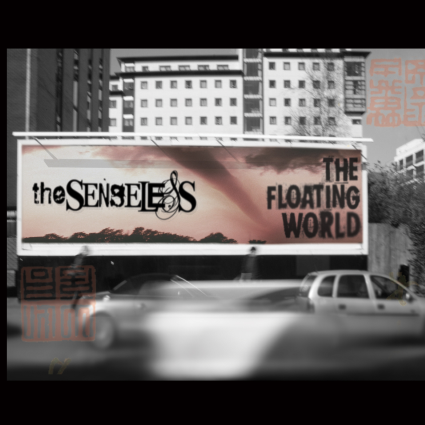
the senselessI find it peculiar that out of the countless digital promo materials that stop up our bandwidth in the Worm dungeon like Taco Bell aftershocks in a dark and dingy toilet at the Maryland Deathfest say midnight, day #3, that my interest would pause long enough here, on the self endeavored release by The Senseless, for it to take root and demand for a few desperate paragraphs to be unearthed from the mess in my head. For one, “The Floating World” lurks and shifts between many worlds of creativity on a musical level, and even though the core foundation is a pretty amazing form of grinding death, there is an unshakable… dare I say “commercial” flavor to this album that feels like a definite paradigm shift in terms of metal machismo/seriousness. In other words… this musical project isn’t within a style of metal I gravitate to often.
The Sensless is the solo effort by ex-Berzerker member Sam Bean and even though I long ago wrote that band off as fodder in a sea of technologically distracted and soulless bands to arise out of the early 00’s, this material is far from digital wallpaper in a kooky mask. The bottom line is… Sam can write deeply penetrating and technically amazing riffs/songs that grow on the listener quickly due to their clarity and Earth’s axis shifting hooks. The parts are mainly tremolo picked speed insanity, yet pulse and flow in and out of mean sounding pop sensibilities baring bloody death metal teeth. Add the mind blowing mathematical arachnoid drum performance of Mithras drummer Leon Macey to further ignite the clarity on this release with unbelievable speed and agility. Speed doesn’t always mean cleanliness, but in this case, Leon’s performance acts as the plastic cover lining your Grandmother’s pristine 60 year old couch, allowing the fullness in the guitar tone to fill the sound spectrum with a detuned organic warmth that invites you to relax and let the waves of memorable head crushing fury cleanse the soul. After the halfway point on this album, the grind begins to take a back seat on tracks like “Let Me Sleep” and the title track to more of a laid back groove and flow. Even though the intensity shift is evident, the riffs and overall shape of the songs are no less interesting. If anything, the change, or acceptance of another dynamic is a welcomed display of creative depth while those ever impressive riffs continue to weave atypical harmonies to perplex with interest.
What I have had the hardest time overcoming on my way to full enjoyment of The Senseless, has been Sam’s coherent, partially gritty, mostly clean shouting style. He can and does dig in with deep death gutturalizations or the occasional crusty grind shriek, but those genre defining deliveries are low in attendance. The punk yell is what you’re going to get here and it does rub off on the material at times highlighting more punk/hardcore movement in the riff salad and lyrical themes that seem to be more everyday life oriented or even a bit silly. The diehard in me yearns for more of the filth to surface vocally, but after repeated listens I can appreciate the fact that Sam’s vocal choices ultimately add to the uniqueness and power of this material. Yes, at the beginning I found myself wishing a lot of these songs were instrumental since the brilliant tales the riffs tell could have almost been enough to sustain me, but I worked past this speed bump to arrive at complete enjoyment.
It took a few head scratching moments to realize the vibe I was gleaning off this album before arriving at a dirtier, faster, more instrumentally gifted Devin Townsend? Yep. The Sensless do come off as that level of “hip”/too cool for this school musical loftiness, but the music at hand is often so good/enjoyable, that I think a free pass on the egotistical pat on irony’s back is ok this time around. The Floating World has been a surprising and downright fun/interesting break from my dreary norm. If the songwriting and insane talent isn’t enough to move you, maybe you need to let go of the lack of underground barbarism and enjoy the music for what it is… damn impressive. -Marty
Self Released
http://thesenseless.bandcamp.com

 
Design a site like this with WordPress.com
Get started