Watch as flowers decay, on the cryptic life that died …

•May 8, 2013 • 11 Comments

A sad week in Metal, as we mourn the passing of the great Jeff Hanneman (RIP) of Slayer. Also, a bizarre week in Metal, as we scratch our heads at the meth-related(!) antics of guitarist Allen West, formerly of Obituary/Six Feet Under. Oh yeah, and some Christian metalcore dude tried to hire an undercover cop to murder his wife … hm.

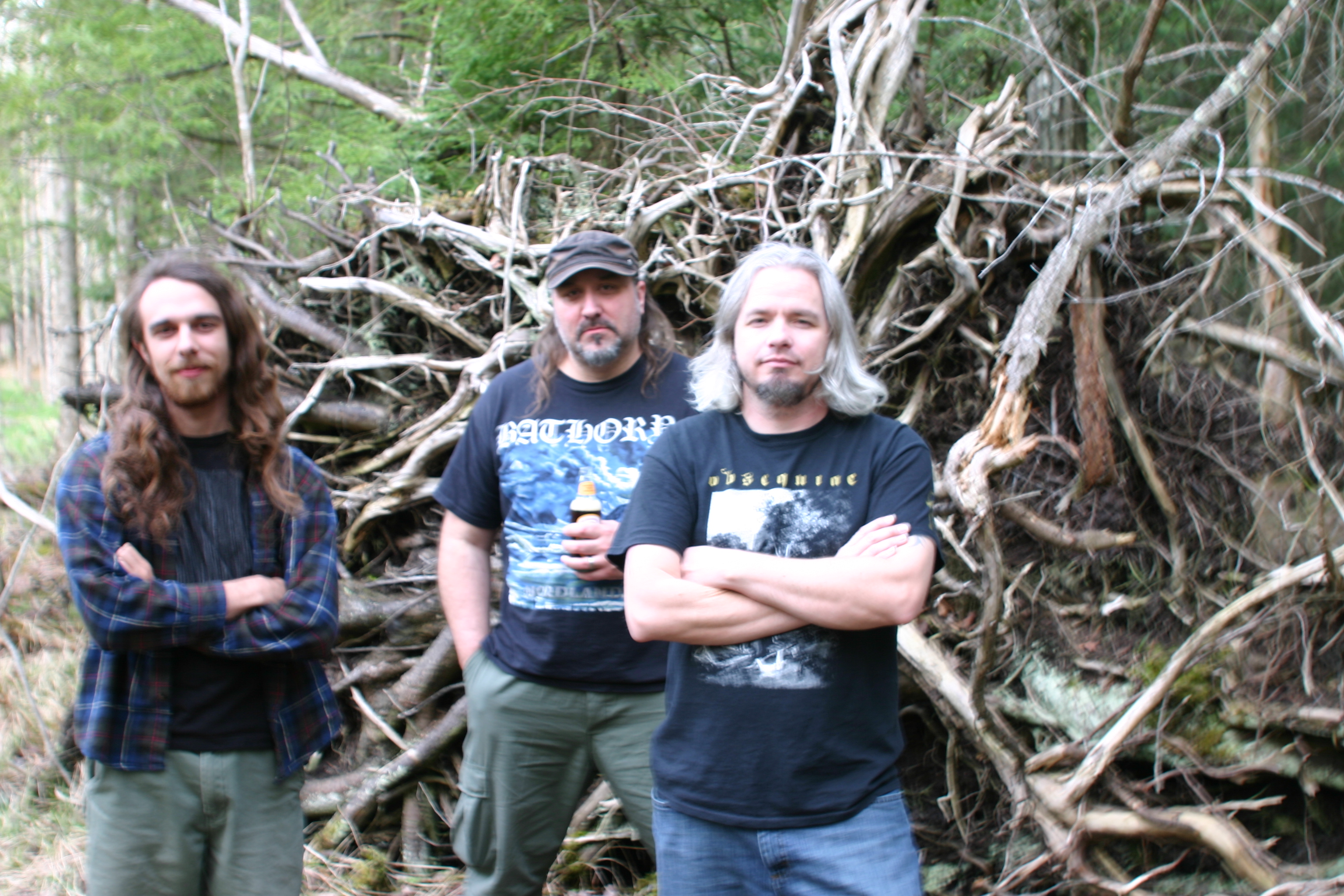
Anyway, the Worm Gear warlords once again bring you your Wednesday dose of ear canal evisceration, with coverage of new albums by Sacriphyx, VHK, Grift, and Cadaveric Fumes. And while we can’t help you with any spank-bank material (though if this does, we don’t have a problem with that), Marty thought you’d like to share in Worm Gear’s forest-bonding this past weekend with an unglamour shot of your friendly neighborhood writers in arms. For something different (or maybe as payback), post in your playlists a photo of your choosing as well this week. Or don’t, we won’t call 911 about your meth lab or, well, hire a police officer to kill you (we promise)!

CANNON PICS 094

Jim Clifton
Arckanum – Fenris Kindir
Sacriphyx – The Western Front
October Falls – The Plague of a Coming Age
Slayer – Show No Mercy
Slayer – Haunting The Chapel
Slayer – South of Heaven
Slayer – Seasons In The Abyss
Burzum – Belus
Burzum – Fallen
Death – Individual Thought Patterns
Binah – Hallucinations in Resurrecture
Summoning – Let Mortal Heroes Sing Your Flame
Marduk – Nightwing

Marty Rytkonen Playlist
Paradox – Heresy
Monstrosity – Impending Doom
GBH – Leather Bristles, No Survivors and Sick Boys
Impaled Nazarene- Suomi Finland Perkele
Inquisition – Ominous Doctrines of the Perpetual Mystical Macrocosm
Forbidden – Forbidden Evil (It’s all about “Through Eyes of Glass”….. what an amazing song!)
Atrocity – Hallucinations
Marduk – Panzer Division Marduk
MGLA – Groza
Morgue – Eroded Thoughts

Jake Moran Playlist
VHK – Bite the Stars!
Seidr – For Winter Fire
Hekate – Sonnentanz
My Bloody Valentine – Loveless
Celestiial – Where Life Springs Eternal
Taskerlands – Taskerlands
It’s been a busy week, so not much music for myself!

Cadaveric Fumes – Macabre Exaltation

•May 8, 2013 • 8 Comments

Cadaveric_FWith a name like Cadaveric Fumes, it has to be good! And so it is.

Yes, sometimes, on a bright and sunny Spring day, feculent, verminous Death Metal is called for in order to bring the day’s beauty back into blackened balance. Consider Macabre Exaltation a putrid crossbreed of early Floridian and Finnish Death Metal by way of UK’s Grave Miasma, with a cavernous Black Metal flavor derived from CF’s French homeland. If you didn’t read ‘original’ in that sentence, allow me to clarify further: this is not yet another Entombed/Dismember cover band. Unlike the army of bands that are, Cadaveric Fumes borrow from their ancestors without duplicating them, in ways that had this writer gray-haired headbanging and trancing out all at once. Begrimed double-bass runs barrel right onto ominous keys, utilizing organ-sound and haunting atmospherics alike. Drum beats that fuckin’ move rather than continously blast inflate the already giant-sized riffs, with tempo shifts fleshed out and organized like a list of commands for an eager horde of warmongering, bloodthirsty undead. Often I’ll do chores (heh) while giving a promo a first listen, and as I washed dishes along to this magnificent MLP, equal time was spent slinging suds in a frenzy and staring transfixedly into the sink, as putrid riffs hypnotized me into being just another of Cadaveric Fumes’ rotten-fleshed DM automatons. In just over twenty minutes, Macabre Exaltation steamrolls roughly half the ancient-obsessed Death Metal bands I’ve perused this year in search of something worth mentioning in a weekly WG update. Only together since 2011, the relatively youthful Cadaveric Fumes have placed DM from Rennes on a grimy map for those looking for a Francophile grave rob.

Ah, Spring … a time for sonics, soiled and squalid! -Jim

Blood Harvest Records

Grift – Fyra Elegier

•May 8, 2013 • Leave a Comment

grift

With members in tow from the bands Flagellant, Orcivus and Arfsynd, Grift is another project arising from Swedish soil striving to stir the emotive pulse of the black metal continuum with mid-paced and dreary dissonance.
Conceptually rooted in the poetic works of Johannes Edfelt, Pär Lagerkvist & Dan Andersson (don’t worry, I haven’t heard of them either), Grift is a moody beast centering on a slow tempos where a ragged bass tone follows the chord progressions as on “Den Fangne”, for the guitar to subtly range between yawning power and more traditionally noisy chords built on angry melody. The delivery lacks surprise and dynamics, but it is the familiarity of that Scandinavian sound that keeps me listening and interested when I find myself wishing to hear a bit of crusty woodland speed for a break from the misery. The 3rd and final track on this MCD, Bortgang, is a droning success with it’s mopey plod and equally mournful riff harmony over the din. The lack of mid-ranged screams on this track in favor of a brief spoken word is a nice change of pace, leaving the brunt of it to be instrumental for more of a musical impact. It is minor details like this that I think would benefit Grift when they decide to iron out a full-length album. Rather than add more elements to achieve interest/depth, stripping away already established layers to accentuate the power in music this lumbering and often a bit too cut-n-dried may have more worth in the long run.
As it stands, Fyra Elegier is an enjoyable MCD worth of material from this depressed duo. Could I endure 40 minutes of a bass note falling on every drawn out beat with lyrics cascading onto every predictable downstroke in the music? Not without a bit more inventiveness in Grift’s overall songwriting approach. But this is the exciting thing about hearing a new band starting out… how will they develop, if at all? Their sound is in place, now we shall see where it goes from here. -Marty
Nordvis


Vágtázó Halottkémek – Bite the Stars!

•May 8, 2013 • 1 Comment

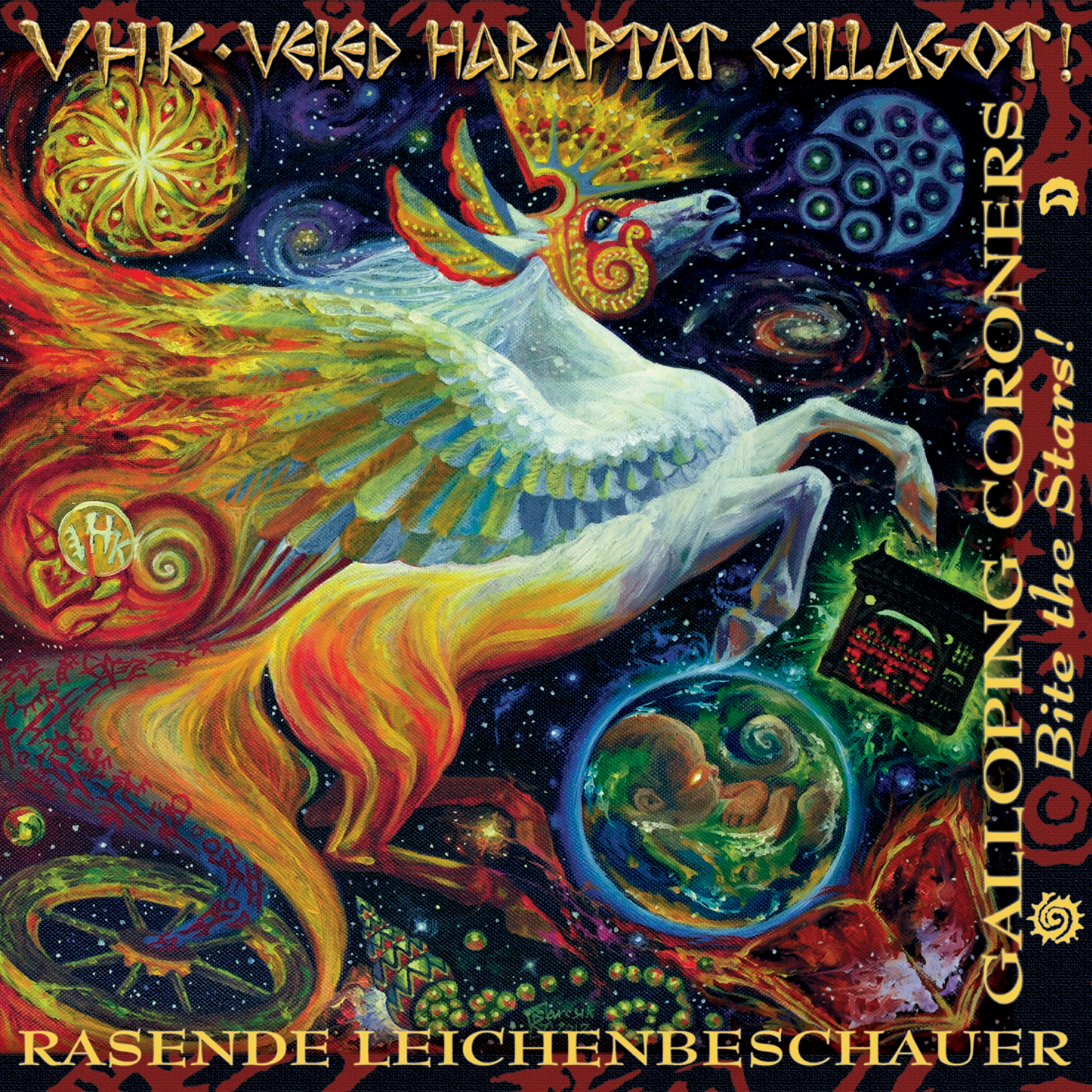
krypt-034 LPWell, this is… something very strange in the best way possible. Vágtázó Halottkémek (Galloping Coroners in English, and referred to as VHK from this point on) is a Hungarian band that has been active since 1975 and putting out records since 1981. They describe their music as “shamanic punk” and “magical folk”. Their vocalist is an astrophysicist who writes academic papers with titles like Biological Version of the Action Principle: The Next Frontier of Physics Endpoint Determination through Transcending the Quantum Level of the Action Principle: The Ultimate Physical Roots of Consciousness. This all sounds made up. It isn’t. Bite the Stars! (or Veled haraptat csillagot! in their native Hungarian) is their 8th album to date, and one of the most interesting albums I’ve heard this year.

Obscure trivia aside, the term shamanic punk is actually a rather appropriate, though not all-inclusive, descriptor for what this odd album actually sounds like. With a little help from the psychedelic and cosmic visions of the cover art, you can probably get a fairly decent idea for what atmosphere and style VHK is bringing forth: something like a late 70s to early 80s punk band who spent a little too long in the basement with their Hawkwind records. More importantly though, this is a punk band from the former eastern bloc, with what appears to be a more than gimmicky interest in the religious heritage and practices of their pre-christian past.

The trance starts with “Handshake”; a song that strides the edge of the dazed drone of repetitive clean guitar scrapings and ritualistic drumming, and the manic ecstasy of the shaman’s chants, yells, howls, and bellows. It’s highly atmospheric stuff, but if the thought of gallivanting wildly through the nebulous spirit realm for a few eternities doesn’t sound like your idea of a good time(lessness), then you’ll be relieved to know that in “Falling Into Love” you’ll find your feet more firmly attached to the ground. It opens with a more physical, thumping punk riff. This particular ritual jams on with more traditional (at least, for rock music) vocals, before exploding into a frenzied conclusion; pounding drums, vocals that wail and soar like eagles, and the riff transformed into a frantic apparition of its former self. VHK also allows space for less spaced out expressions of energy in the shorter and faster songs like “Celebration of Life” and “Hun Brotherhood.”

It would be easy for me to attempt to describe every song on this album for you, but it wouldn’t do this creative and energetic music any real justice. It’s truly something that you ought to hear for yourself. If I had any complaints to offer I would, but I don’t. The production is good, the songs compelling and varied, and the musicianship is fine. A lack of any bands for VHK to be directly compared to also ensures that this album doesn’t suffer from “someone else did it better already” syndrome. I know that the strange, psychedelic, shaman punk of Bite the Stars! is perhaps outside of the safe and familiar realm for many readers of this blog, but it’s worth giving a chance, especially if you are familiar with other bands around the metal and dark ambient scenes that incorporate “shamanic” elements into their music such as Syven or Wardruna. VHK offers another take on the incorporation of this cultural and religious heritage that we share, and I think it’s a very worthy approach they’ve taken. -Jake

Ektro Records

Sacriphyx – The Western Front

•May 8, 2013 • 3 Comments

Sac_WesA few weeks ago, after a shipment of vinyl from NWN! Productions arrived at Marty’s distro (his US shipments are still free, so support! http://eihwazrecordings.com/distro/ ), I spotted the vinyl version of The Western Front by Sacriphyx lying around the Worm Gear War Room. On high recommendation from Messrs. Rytkonen and Moran (and also seeing it on UA’s playlist), I purchased my own copy, drove home and gave it a spin.

And promptly discovered my favorite album (so far) this year.

The Western Front cuts across the boundaries of Metal just as the battle trenches of World War I scarred the fields of its combatants. One moment, you are met with pure analog OSDM. The next, you hear meticulously constructed Thrash. Then, harmony-filled, pure Heavy Metal floods the senses. All these are filtered through the sparse blasts beats and production mindset of those understanding the tones of Black Metal. But the Australian duo of Sacriphyx (comprised of guitarist Anthony Till and drummer Neil Dyer) truly shine when they embrace – and dominate– classic Doom. On ‘Without a Trace’, thirds and slogging palm-mutes drop you off in a No Man’s Land of horror and hope in equal measure. Then, with the DNA of Trouble’s Bruce Franklin and Rick Wartell coursing through his blood, Till’s lead guitar work successfully explores the entire scope of Metal and Warfare. The sounds are those of victory/defeat, dirt/grime, blood/guts, and, of course, life/death. As these notes flow from the speakers, hackles will raise on the back of your neck. Melody lines at once sorrowful and exultant electrify the air, and are played with such rapt attention to phrasing and emotional effect you will be uncertain as to whether you should raise a fist or shed a tear. Likely you will do both at once. Anyone with even a passing understanding of the dichotomies of human conflict – namely, its encapsulation of everything disgusting about mankind (atrocity, cowardice, etc) and, conversely, everything that should be championed about our race (justice, heroism, etc), and all permutations in between – will appreciate the personal, yet historical technique of The Western Front‘s storytelling. And while the perspectives are distinctly Australian, the lessons of war – communicated in a straightforward, deathly growl – will take hold of you, no matter your nationality, or your own views on ‘The War to End All Wars’ – or any other conflict, for that matter. In the larger sense, these are simply the tales of men in battle, performed and sung in remembrance with as much fervor and sincerity as those shouted in the mead halls of ages past. Now we push play on an album in the comforts of our own homes, and must often give thought in isolation and contemplation. Nevertheless, the fallen see us and, hearing living art like The Western Front, will appreciate the passing of their sad tales onward, again and again. -Jim

Nuclear War Now! Productions

Venomous magik of chaos…

•May 1, 2013 • 23 Comments

Slim pickings this week for sure, but we have emerged from the Summoning daze just long enough to offer up a trusty update. I’m a complete fanboy when it comes to this band, so it has been difficult to actually want to listen to anything else, but I have purposely been trying to keep it balanced. As we prepare for next week, the Worm Hordes will be taking a little time to enjoy the springlike weather finally and make a little trip into the woods for a team building session. What does this entail you ask? Trees. Critters. Beer. Metal. Food. Repeat. Should be a nice escape from our dingy holes as we struggle to understand what exactly that burning ball in the sky is. Of course photographic evidence will be shared with the rest of the class next week should we all like and agree upon our glamour shots.

Hopefully soon that MIA Arckanum interview will finally surface and we shall iron out more details. I know Jake and myself will be entering into a huge undertaking with a career retrospective essay on the ever trusty and prolific Graveland. Perhaps an interview will come out of the deal as well… we shall see. In the meantime, get out and enjoy spring! It has sprung! -Marty

Marty Rytkonen Playlist
Summoning – Old Mornings Dawn
Summoning – Let Mortal Heroes Sing Your Fame
Summoning – Oath Bound
Summoning – Stonghold
Summoning – Minas Morgul
Iced Earth – Alive in Athens
Hellwell – Beyond the Boundaries of Sin
Helloween – Keeper of the Seven Keys pt1
Helloween – Keeper of the Seven Keys Pt2
Sacramentum – Thy Black Destiny

Jim Clifton Playlist
Sacriphyx – The Western Front
Summoning – Old Mornings Dawn
Revenge – Scum.Collapse.Eradication
Rotting Christ – Non Serviam
Arghoslent – Hornets of the Pogrom
Panopticon – Kentucky
Angelcorpse – The Inexorable
Dark Angel – Darkness Descends
Cultes Des Ghoules – Henbane
Gravewurm – Infernal Minions

Jake Moran Playlist
Sacriphyx – The Western Front
Sort Vokter – Folkloric Necro Metal
Agitated Radio Pilot – Lights Beneath the Lake / Nothing is Truly Lost
Fall of the Leafe – Evanescent, Everfading
Graveland – Cold Winter Blades
Skogen – Vittra
October Falls – The Plague of a Coming Age
Dissection – The Somberlain
Seidr – For Winter Fire
Richard Moult – Suite for Hippolyte

Black Moon / Nocturnal Abyss – Beyond the Nothingness

•May 1, 2013 • Leave a Comment

blackmoonFrom the opening tape hiss, cheesy thunder track, and hazy synth I had a feeling that this was going to be a special release, however unfortunately obscure it seems destined to be. The unheralded nature of this release is a shame though, being not only the (probably) last recordings of David “Blackmoon” Parland we will ever hear again, but also one that was apparently recorded back in 1994, the same year as the self-titled Dark Funeral EP. These two tracks, played entirely by Parland, are something more than an afterthought or aside to Dark Funeral, making one wonder why exactly they were kept from the public for so long. Still, they are available now and we finally have access to this 9 minutes of black metal history that fell through the cracks.

First off, forget for a moment that this was the man behind The Nocturnal Silence and The Secrets of the Black Arts. Though the riffs here are unmistakably those of David Parland, this small demo holds its own style relative to the satanic death metal of Necrophobic and the tremolo blasts of Dark Funeral. What Blackmoon brings us is a much slower and more ponderous journey through the darkness: mid-paced Bathory styled riffs, spectral arpeggios, Storm of the Light’s Bane cave drums, subtle old-school synths… It’s all far more restrained than on the more extreme projects that Parland was otherwise often involved in. Parland’s vocals are extremely strong and appropriate to the overall sound; a throaty and cold scream howling over the bleak landscapes conjured by the magic of Blackmoon. Admittedly, there’s nothing that’s really incredible about this material; the songwriting and riffcraft are strong, but they don’t stand up to the classics of the time period, and the short 9 minutes leaves me wishing that their could have been a lot more. Taken in context though, these complaints aren’t all that valid for what was only a demo at the time period. If this demo had been released by a new band today I expect that the underground would easily lap it up. As it stands, a lack of advertisement, and perhaps awareness of the musical talents of the late Parland, seem to have confined this one to be buried by time and dust.

Nocturnal Abyss, who occupy the final 10 minutes or so of this split, are not really as notable. Their first song, Hyperborean Grave, does have an interesting sense of melody that seems to twist and become oddly dissonant throughout this blackened death march (if you can hear it over the far too loud vocals), but beyond that I find myself at a lack of words to even describe this material. It sounds fine. Though it’s not bad, it’s mostly forgettable, and I’m at a loss as to who or what caused these songs, recorded in 2013, to be released alongside the Blackmoon tracks. Regardless, the Nocturnal Abyss tracks are easily ignored if that is your preference, and while the Blackmoon side give an important historical document of one of Sweden’s most gifted metal musicians, they more vitally provide us with a genuinely strong piece of dark music. It’s unfortunate that nothing more ever came of the project, but what has been uncovered is still a potent artifact for ardent disciples of that magical era of metal. -Jake

Hellspawn Records

Gevurah – Necheshirion

•May 1, 2013 • Leave a Comment

cd_gevurahcover (2) (198x200)Something’s wonderfully rotten in Canada. Perhaps it’s just my own proximity to our northern neighbors (I’m just three hours or so from the border), but with the influx of quality music sent my way from a land of Winters that are even longer than those of Northern MI, I can’t shake a feeling that Satan himself has set up some mystic data center, converting minds to his cause via the propogation of a Black Metal evilnet. And at the epicenter of this music-laden Luciferian Superhighway spewing worldwide from the tundra, two acolytes/network engineers tirelessly toil under the name of Gevurah. Tasked are they with bringing you sonic hell suffused with ample amounts of fury and guitar-driven depth. At a total of 33 minutes (some of which are dedicated to an excellent Malign cover), Gevurah get in, ravage with chord-bending riff lessons taken from Deathspell Omega, and quickly get out; not caring if you as listener get enough out of it or not. And that attitude – to pillage and repeat with an unbridled arrangement-rage – permeates each second of the album, and thus said rage becomes Necheshirion’s strength. Herein, distorted guitars twist and churn out a fog of transporting, transfixing darkness, seeking and not failing to put you in a susceptible state. Afterward, the mere suggestion of embracing The Left Hand Path feels like ‘the right thing to do’. And while Gevurah glaze eyes primarily with hyper-riff reverbed assaults, it is the slow relentlessness of standout track ‘The Throne of Lucifer’ and the (mostly) mid-temp creep ‘Divine Ignition’ that hypnotizes most effectively with a crazed dissonance not unlike those emanating from the Clandestine Blaze back catalogue.

So what is it then about Gevurah, specifically, that will tickle the Black Metal fancy in ways that others do not? The meticulousness you can sense within each song’s construction? A sharp production that allows all instruments – even a ‘clean’ bass – to be heard? Vocals that recall Erik Danielsson in the early days? Well, all of these and more. As a concoction of varying negative emotions wrapped in four long tracks (plus one cover) that will inspire and intimidate in equal measure, Necheshirion delivers, exemplifying as it does the ritualistic power of a Canadian Black Metal future (evilnet!). -Jim

Profound Lore

October Falls – The Plague of a Coming Age

•May 1, 2013 • Leave a Comment

octoberfallsOne of the more interesting developments in the early to mid 90s metal underground was the fermentation of the newly flourishing death-doom sound and 2nd wave black metal with melancholy, romantic classical (somewhat erroneously defined as “folk”) acoustic instrumentation and atmosphere. Given the rather unfortunate title of dark metal, this style has expanded quite widely since first brought into existence by pioneer bands such as Ulver, The 3rd and the Mortal, and Empyrium. October Falls is one of the more notable bands to have adopted the garb of this elusive genre after the originators split up or moved onto other approaches to music. The Plague of a Coming Age is their 4th album to date.

Though they are deeply rooted in the same watershed as those that defined the genre, these dolorous Finns are no slavish imitators. While a clear Katatonia influence permeates the proceedings, there is still a great deal to differentiate October Falls and define their own sound. The riffing style leans toward simple and catchy melodies, accented with lightly picked acoustic layers and subtly “folky” leads and flourishes that add much needed depth to what otherwise might have been otherwise forgettable moments. Some extra attention ought to be payed to the tasteful and spirited bass lines of Sami Hinkka from Ensiferum, sitting comfortably at the perfect level in the clear (perhaps too much so) production gracing The Plague of a Coming Age. A moderated use of clean vocals, solemn piano, and acoustic interludes adds a decent, but not entirely adequate sense of variety to the course of the album.

Moderation is the word that continued to come up for me as I ruminated over this album. That moderation, while a commendable trait some ways, ends up feeling too safe. For the most part, The Plague of a Coming Age flows on so unobtrusively that you may forget it’s even there (and in the album). The effortlessly smooth riffs and melodies, while satisfying in their simplicity, begin to feel somewhat flat in the context of the whole album. Some more complex and challenging moments would have gone a long way towards giving the album more distinctive and memorable moments. The interplay between the bombastic metal moments and the more thoughtful Kveldssanger-esque ones certainly do much to relieve these feelings, but even they often feel a little too predictable in themselves.

Don’t let that drive you away from giving The Plague of a Coming Age a listen though; despite often longing for something unexpected and truly gripping to burn through the changeless fog of melancholy that defines this album, I continue to find myself coming back to it, welcoming its cold, enveloping mists and wondering at the careful subtleties hidden beneath it. It’s hard to fault October Falls for creating an album that is somewhat monotonous in texture and mood when they are this adept at it, but I can’t help but hope for a more adventurous sonic journey from these Finn’s when they next offer up an album. -Jake

Debemur Morti Productions

Summoning – Old Mornings Dawn

•May 1, 2013 • 2 Comments

summoningStunning. Awe-inspiring. Magical. Such is the musical legacy so carefully constructed and germinated by the Austrian duo know as Summoning. We have been waiting for 7 years to hear Protector and Silenius’ labor of mystical sonic spell-casting to carry us away on another journey to untamed landscapes and snow capped mountains by way of Middle Earth. The wait was worth every agonizing minute, for Old Mornings Dawn is yet another fine addition to their deeply layered and world building catalog.

Old Mornings Dawn is nothing new for Summoning in terms of formula, for there isn’t anything broken in need of fixing when it comes to the way they construct their symphonies. The emotive ideas filling their songwriting arsenal feel just as swollen with passion to feed the image conjuring melodies with a majestic flow and direction. Old Mornings Dawn is right in line with Summoning’s past works, if anything, the impact is a touch more striking as they have arrived at a fuller and less processed sounding guitar tone than found on the equally amazing, though oddly produced Oath Bound. The martial industrial influenced synthetic drum programming sounds far more produced this time out as well (ie: more low end), allowing every nuance and layer to stir this material into a hypnotic march. The album benefits from this rhythmically interesting depth which gives this project a very theatrical presentation. The riffs remain on the prog side of black metal, centering on clever repetition of well considered/note based riffs which act as a platform for the synth layers with their carefully constructed melody lines to soar high atop the fray with hooks that strike with a bird of prey precision. All of these separate lines of music congeal so seamlessly into an amazing piece of intricate classical black martial industrial metal that every time unlocks these forgotten chains in my mind and invite me to travel out of my body. It is a special band that can do this to me and Summoning have always held a power second only to Viking era Bathory when it comes down to favorite bands who wield the power to toy with my emotions.

With the harsh vocal structures of Protector and Silenius leading the way on our journey and providing an in-key sense of organic barbarity, the main thing that I feel sets this album apart from the last 3 is in the overall feel. Old Mornings Dawn finds all the once thin production values greatly improved upon, so more focus can be locked in on the actual content. I will say this material isn’t as bombastic when it comes to important dynamics shifts, rather each song flows lethargically like a long and winding river before it reaches the sea on the triumphant album closer, “Earthshine”. Summoning always leave us with a majestic track as if in reassurance that they will return someday with new tales to spin and their banners waving in the wind in victory and Earthshine is no exception. Magnificent choirs pour on the drama while a mighty trumpet synth tone screams fearlessly defiant in the face of battle. When those choirs and timpani’s hit, if a tear isn’t shed in witness to the  stunning impact and skillfully composed union of metal and classical music, you’re not allowing yourself to let go and become properly immersed in the grandiose crescendo. 20 years and 7 albums into their career and Summoning still sound just as vital and ravenous in regards to high brow composition as they did when they decided to shift away from the more traditional black metal style found on Lugburz, in favor of more adventurous concepts visually, stylistically and musically as on the genre defining Minas Morgul.

Old Mornings Dawn has been a brilliant gift, for in the last week I have had it in my possession, I have been physically and emotionally incapable of tearing myself away from it, unless it is to enjoy older Summoning albums. I could go through and tear apart every song in an attempt to help you understand the magnitude of an album such as this, but ultimately each track shares a similar vibe, while unlocking so many interesting twists and musical embellishments to give each song a spirit all its own. It is only April and before you lies your album of the year! Yes… it is that good. All brutal black and Darkthrone clones awaiting to release albums this year… this is your cue to simply stop. You have been bested and rendered irrelevant yet again. Summoning is music with unfathomable soul and character and it is going to be incredibly tough to wait for another new release from these 2 evil genius’. Until that day arrives, every album in their catalog is a timeless classic that never weakens no matter how  many times you spin them. “Old days come to life again… old mornings dawn.” Indeed. -Marty

Napalm Records

As years pass by, the aura drops …

•April 24, 2013 • 21 Comments

As the Winter finally begins to fade at the 45th parallel and the Sun strikes through clouds of gray, as always in the underground Worm Gear bunker we pick through the deluge to bring you the goods. This week we are proud to present an interview with seminal NWOBHM band Satan, and direct from Satan guitarist Steve Ramsey we have candid views and memories from this founding member on albums old and new, and thoughts on Satan’s heightened presence in the scene. Along with that coup, new blood Jake Moran pens ruminations on Anciients, Marty discusses the dichotomies on the new Darkthrone, and Jim covers the highly original new Tribulation; Stilla, Swazafix (Theo Loomans, R.I.P), and jawings about Joel Grind also rise to the surface. So prepare your aged eyes for many words, and if you haven’t already checked out that Arckanum song stream, do so today, it destroys! Oh yeah – as always, post your comments and playlists, fellow pundits… -Jim

Marty Rytkonen Playlist
Omen – The Curse
Warlord – Deliver Us
Tension – Breaking Point
Windir – Arntor
Graveland – Immortal Pride
Graveland – Impaler’s Wolves
Miscreant – Dreaming Ice
Darkthrone – Hate Them
Vex – Memorious
Stilla – Till Stilla Falla
Afflicted – Prodigal Sun

Jim Clifton Playlist
Aosoth – IV: Arrow In Heart (absolutely amazing/confounding Black Metal!)
Battle Dagorath – Cursed Storm of Ages
Blasphemy – Gods of War
Cenotaph – The Gloomy Reflection of Our Hidden Sorrows
Dark Funeral – The Secrets of the Black
Kroda – Fimbulvinter
Satan – Court In The Act
Stargazer – A Great Work of Ages
VHÖL – s/t
Zombiefication – At the Caves of Eternal

Jake Moran Playlist
Ceremonium – No Longer Silent
Midnight Odyssey – Funerals from the Astral Sphere
Tempestuous Fall – The Stars Would Not Awake You
Blood of the Black Owl / At the Head of the Woods – Split
Alda – Tahoma
Eitarnora – Tall Grasses and Black Ash
Preterite – Pillar of Winds
The Caretaker – Patience (After Sebald)
Bvdub – Serenity
The spring birds. I’ve been especially conscious of the common grackles this year. A group of grackles is sometimes called a plague… Fairly metal.

Satan – Years of Steel, Years of Blood

•April 24, 2013 • 2 Comments

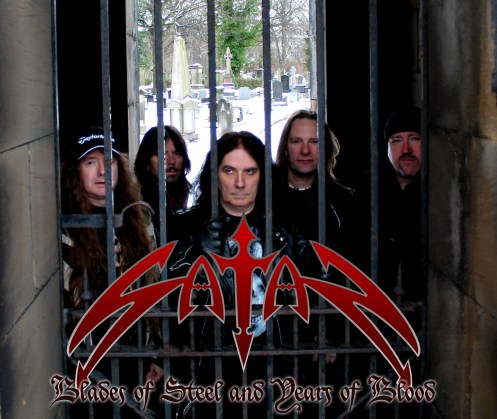
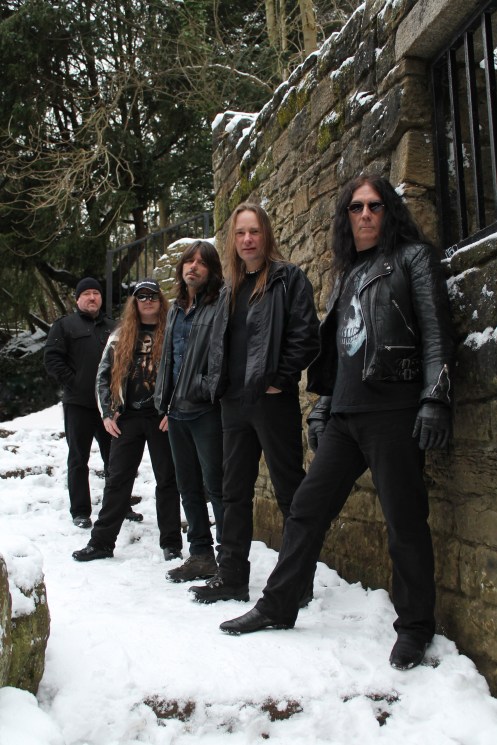
Satan_headerThe year is 1983. Amidst the gamut of scene-changing American Thrash albums that arrive that year, an NWOBHM band hailing from Newcastle in the UK, brazenly calling themselves the most Metal of things – Satan – quietly release their incredible debut, Court In The Act. Unjustifiably overlooked at the time, it is hailed by many today as a genre classic, and though followed by a handful of strong albums, it always beckoned for a true sequel to emerge. Thirty years later, we have that album, Life Sentence, a tour-de-force of British iron that is in every way it’s predecessor’s match. Worm Gear picked the brain of one-half of the dual guitar attack, Steve Ramsey, for his thoughts on both albums, and just where Satan (the band) fits in the annals of Hell’s Unhallowed Music Hall. -Jim

Greetings! Thanks for taking the time for this interview, and congratulations on the impending release of the amazingly strong Life Sentence; I consider the album to be one of 2013’s strongest thus far. As Heavy Metal’s reach has widened via the internet, other bands such as yours that have disbanded and reformed are putting out new recordings. The quality of most of these attempts to recapture the magic have been, in most cases, uneven at best, whereas Life Sentence is every bit the worthy successor of Court In The Act. What sort of studio preparation – physically, mentally, or otherwise – did it take to create songs that would not only retain the debut’s quality, but also remain connected with the groundwork lain?

At first we couldn’t believe that the NWOBHM genre was becoming popular again, the wonders of the internet! We needed convincing at first and it was Oliver Weinsheimer, the guy that organizes the KEEP IT TRUE metal festival in Germany, that eventually persuaded us that this was true and there were a lot of fans that wanted to see Satan perform the songs from Court In The Act again. We were amazed at how many young fans were present at the show in 2011 and that they knew all the stuff we played and loved it. It was from there that we decided to do more shows and eventually start writing new material. We knew when we got together for the first rehearsal with all five original members that we still had something special going on as a band. We could still perform with that frantic energy that the band used to create back in the eighties. Initially we had not a single thought about writing a new album but inevitably Russ popped up with some new music to try out in rehearsal. It sounded cool (it was what would eventually be the first song on the album ‘Time To Die’) and just like the old material from back then. We decided that we would continue to write and make what we thought could have been the follow up to CITA. We laid a few ground rules during the composing of the music and writing of the lyrics as for one we are all better and more accomplished musicians now and didn’t want that to interfere with the making of the album, only enhance it. We stuck to the same lyrical themes with the overall concept of injustice, and the devil as the judge to represent that too in the artwork. Musically there were a few ideas and processes we thought we wouldn’t have used like drop or down tuning of the guitars so the whole album is played in concert pitch. It was easy to know what to stick to like long embellished solo sections and twin guitar harmonies, and up tempo songs with frenetic riffing. It was more the things not to do that we considered. One song on the album, ‘Tears of Blood’, has a main riff that I originally wrote in odd time and we decided to straighten it out because we wouldn’t have written it like that back then. We recorded the whole album in a small demo studio in Newcastle above the place that we hire rooms to rehearse in. I was skeptical at first but our drummer Sean had done some recording up there and said the engineer had a good ear and the right gear to get the sound of the band as we sound live and in rehearsals. It turned out to be a great idea and the compromise was that we send it over to Italy for Dario Mollo to mix it. That was who Graeme our bass player and I had worked with on the last two Skyclad albums which we are very pleased with. It was a really relaxed way to do an album; the drums were done in two separate sessions, and the result was just what we were looking for. If the album hadn’t sounded like that and couldn’t have been deemed as the follow up to CITA it wouldn’t have seen the light of day. We knew we could be heading for a fall so were very cautious in our approach to making the album. We’re not a young band trying to get somewhere and be successful so it was all for the love of doing it.

Satan_bridge_II

The overt melodicism of some NWOBHM bands can, for me, lessen the impact of their albums over the long term, as my own tastes usually lend themselves to the more extreme sounds of Metal. However, I can return to Court In The Act (and Life Sentence) again and again due to the very potent proto-thrash vibe snaking its way through Satan’s song structures. How did this special tenet find its way into your playing in the early ’80s, when Thrash as we know it today was in its infancy?

There was no such term or genre as Thrash when we wrote the first album. We were very young; I was 18 years old when we recorded CITA. We’d only started playing at 15 and a lot of the early stuff we learned was punk. We liked a lot of it and it was easy to play. Our first gig at school was a set of four songs, Paranoid – Black Sabbath, ‘Pinhead – The Ramones, Motorhead – Motorhead and either Holiday In Cambodia – Dead Kennedys or ‘Doctor Doctor – UFO as far as I can remember. As we developed our playing technique we started to play more difficult metal stuff that we were mainly into by then and that tested us more. Speed then became a feature, how fast can we play that new riff etc. which is one of the key elements of Thrash. In a way we were trying to push things to the limit using an aggressive style of playing without losing the melody of the music. We we’re playing covers like ‘Kill The King’ by Rainbow, everything off the ‘Unleashed In The East’ album by Judas Priest, ‘The Trees’ by Rush and Black Sabbath and Motorhead too of course. These bands and styles all influenced our song writing inevitably and was a good mixture of stuff to glean from.

How has the balance of an all-important aggressive edge, coupled with ample amounts of melody, maintained its foothold in your songwriting throughout the years?

I think if you get that in your blood it’s difficult to not want to let it all out. You develop an ear to hear a harmony for every tune you hear or write, and the edginess becomes your style of playing in a way.

Age is the enemy of us all, therefore the physical limits of tools we employ to create art tend to come to the forefront as the number of our days steadily decrease. Thus one of the most surprising aspects of Life Sentence remains Brian Ross’ seemingly immortal throat, belting out harmonious and tasteful vocals with as much aplomb as he did thirty years ago. It’s as if he has lifted a middle finger to the ravages of time, proclaiming ‘These pipes shall not diminish!’ While the capabilities of others in your peer group have rusted away, how has Brian’s vocal resiliency stood fast?

It is an amazing phenomenon. He looks after his voice but not in any extreme or new fangled way. I would go as far to say that it’s the best he’s ever sung and certainly the best he has ever recorded. Maybe it’s because he’s ‘In League with Satan’! Ha ha!

Satan’s output has been a stitch in Heavy Metal’s tapestry for three decades. That length of time – rare for any group of musicians – gives the band and its members a unique perspective upon this genre and its relevance that few others possess. What, if anything, did the term ‘Heavy Metal’ mean to you in the ’80s, and – if there is a difference – what do you feel it means today?

The types of rock music we grew up listening to in the seventies are what influenced us to pick up instruments and want to be in a band. The NWOBHM then the rise of Thrash are what came next in the eighties and that influenced the next generation. I still think of Heavy Metal as an aggressive but melodic form of rock music from the eighties. Thrash and speed influenced bands to become darker and aggressive in style and along with drop tuning the guitars created a lot of the newer styles. I like all of these styles but maybe our music is getting another listen to because like you said it has the aggression but also the melody which has become lost in a lot of the newer genres of metal.
Satan_mill

Like other NWOBHM bands, Satan covers a wide variety of topics, ranging from atomic warfare history in Court in the Act’s classic ‘Trial by Fire’ to possible dystopian futures as discussed in ‘Twenty Twenty Five’. But Satan also doesn’t shirk from closer-to-home themes such as the call for self-analysis in Life Sentence’s ‘Personal Demons’. Do you find that fantastic or historic elements in Heavy Metal connect with the listener as easily as ‘daily life’ topics? What particular subjects amongst Satan’s catalogue do you feel the most kinship with?

Personally I like lyrics to represent the music and not the other way round for Satan. The subject matter we choose for Satan’s lyrics is borne from the music and what we think will suit it. I’ve worked and composed in different ways with other bands but with Satan we are not trying to deliver a message through words only to make observations that the listener can connect with if they want to or not. I can’t pick a single topic out because I hope that all those that we cover suit the music we have made.

Despite the lyrical focus of any individual Satan song – be it historical, fantastical, personal, etc -when contemplating the words, I get the sense of being warned. Could warning the listener of folly in any way constitute a connecting thread of lyrical purpose between your albums? If not, and such a thread in fact exists, what would you consider it to be?

There is no intended thread. The lyrics are written by three different members of the band. Some of the lyrics on CITA were written when we were only 15 years old.

In light of the above-mentioned concepts, and the lack of any Black Metal-like worship of the Dark Lord to be found amongst your music, what meaning (if any) does the chosen name of the band hold for you?

Again, we were 15 when we came up with the name. At the time we thought it was the best ever name for a heavy metal band. It was only when people started connecting us with the occult that there was a problem. There was no such genre as Black Metal back then. My favorite band was Black Sabbath at the time and they weren’t devil worshippers as far as I could gather but had a name that suggested they may be the same as Satan. We wrote lyrics about the evil things that happen in the world by mankind’s own hand which was the only connection. We thought it was just heavy metal and nowadays it doesn’t seem to matter about our name to anyone. We get comments now saying what a great name for a metal band.

As with the vocals, truly face-flaying guitar work arises on each of Life Sentence‘s individual tracks. Case in point: the six-string freneticism found in abundance on ‘Testimony’. From where within do you and Russ pull in order to give your guitar-god moments Satan’s particular stamp (namely, riffs and leads imbued with a uniquely ‘smooth’ quality)? Do the same interior motivations employed by you during the time of Court In The Act remain similar when constructing albums today?

Russ and I learned to play guitar together from almost the start. He got a guitar and had been playing for a few months before I heard him play a couple of riffs and decided we were forming a band and subsequently got one myself. Neither of us had nor ever had any lessons. We learned together by ear listening to our favorite records. I remember us getting the Judas Priest ‘Unleashed In The East’ live album around 1979 and learning the whole thing from start to finish. He was Glen Tipton and played his parts and I K.K. Downing. That early Priest stuff really influenced our style of writing and playing. I suppose those factors attribute to us working so well together. When we get together and play now all of that comes back to us somehow.

Your 1983 debut turned the heads of understanding oldsters in its time, and to this day continues acquiring new converts to the Satan sound. Still, many American Metal fans remember the year only as the general drop-date of Metallica and Slayer debuts. Were you content with the amount of attention received then? In what way, if any, did the specter of competition after Court In The Act‘s release affect your drive as a band to make your own long-lasting mark?

We were a little disappointed back then especially by bad reviews of the album in the British press. That led us to changing our name and direction because we thought nobody wanted to hear what we had to offer back then. We were different to all of the other NWOBHM bands at the time. It wasn’t until later that we heard about a lot of American bands and fans liking the album, and the same thing elsewhere in Europe. Then we changed back to Satan where are hearts really were for the ‘Suspended Sentence’ album.

Band-Satan

As Satan’s place in the canon of Heavy Metal continues to rise along with the reputation of your essential-listening albums, so too does the visibility of Satan’s established legacy. Looking back, is there any one decision you’d like to change, musical or otherwise? Once we’ve all passed into ‘Another Universe’ (couldn’t resist!), what would you have future Metal fans think of when he or she considers Satan’s contributions to the genre?

Personally I think it’s bad to regret any decisions made in the past because it can’t be good for you in the long run. Learning from past decisions is by far a healthier attitude! I would like to think that eventually we will become more of a part of the ‘general’ history of our genre than we are considered now.

Once more, thanks for chatting with us. We here at Worm Gear wish you ongoing success for Life Sentence and afterward. As is our custom, you have the final word; feel free to come forth and plug, proselytize, put-down or pontificate!

We hope to be able to come and play in all of the countries we didn’t get a chance to first time round. See you on tour!

-Jim

Anciients – Heart of Oak

•April 24, 2013 • 1 Comment

365892 Reviewing metal albums is an odd thing, especially for those of us with the disposition that metal music is something more than an entertainment commodity that can be judged by an easily definable scale of quality or set of traits. For the most part, the music coming out of the metal underground (whatever that exactly is) is not the product of some lifeless manufacturing process; it is the result of countless of hours of practice, genuine hard work, and emotional investment from bands, labels, visual artists, promoters, and so on. For a reviewer, this can often make for a difficult balancing act between the technical achievements or failures of an album, all of the factors that add up to what the album physically is, and that intangible other factor, the interface at which each individual listener connects, or doesn’t, with what has been manifested in the world by the band in question.

So, what of Heart of Oak? It’s a slickly written, produced, and played work that very naturally weaves strands of progressive and hard rock with the darker threads of black, death, and doom metal into its complex, though accessible, structure. Clean, stoner rock esque vocals riding easily alongside harsh and vicious growls, complex, almost bluesy riffs, tasteful and richly textured solos, baroque acoustic passages, streams of tremolo melody, 1970s psych jamming, pounding doom marches, and adept and active drum work all add up to an impressive whole. It’s all been meticulously worked into songs both long and compelling, and finally wrapped in a pleasingly heavy, warm, and remarkably clear production. For a debut album in particular, there is a lot for Anciients to be proud of here. Heart of Oak will rightfully draw comparisons from other ‘progressive’ bands like Baroness, Mastodon, Opeth, and perhaps even Enslaved with their combination of relatively approachable hard rock with some of the harsher aesthetics and techniques of its distant relatives in the “extreme” metal camp.

And yet, I have to say that for all of its technical achievements, Heart of Oak did little for me personally. Yes, they are accomplished musicians; the songs are catchy and enjoyable to listen to in their way, but looking back on my many listens of the album, I could not recall any instance that really moved, excited, or inspired me. That’s not to say that the album was forgettable or displeasing in any way, but only that it felt overly polished and ordered in such a way that left me longing for some grit, dirt, wilderness, unpredictability. I’m not certain that Anciients can be blamed at all for my inability to make any strong connection to Heart of Oak; it’s undeniably a technically well made album, and though it’s not one I will be returning to, I fully expect it will find a loving audience able to appreciate it to a depth that I could not.

-Jake

Season of Mist

Darkthrone – The Underground Resistance

•April 24, 2013 • Leave a Comment

DarkthroneFenriz and Culto forge onward into the aftermath which ensued after this ever prolific duo opted to gutter punk/pimp their once genre defining black metal ride with more traditional metal effects and a NWOBHM nod that keeps the black blood flowing through their veins. Not to sound like a broken record here, as I have documented my displeasure with Darkthrone’s “evolution” which first began to take shape on “Too Old, Too Cold” and “The Cult is Alive” numerous times, but as it was with F.O.A.D., Dark Thrones and Black Flags, and Circle the Wagons; this band remains a bipolar beast that makes you both love and hate what you are listening to simultaneously. Darkthrone maintain an overall sound that is identifiable and enjoyable, but continue to sound like 2 different bands functioning under the Darkthrone™ sound spectrum. It does work for them and obviously Fenriz and Culto enjoy where they are at creatively, but The Underground Resistance isn’t without its share of sores on this beasts back that continue to be noticeable and a deterrent to its listening longevity.   

As it stands, The Underground Resistance benefits from a full, though garagey production once again, which leaves all the subtle and not so subtle nuances of their sound for the listener to enjoy. This is after all the true nature of Darkthrone… songs over slick production tricks. I will always respect them for that and the fact that this musical entity has always stuck to their guns and not sold themselves short when giving their fans something worthwhile to listen to. Looking back on the albums leading up to the matter at hand, I tend to gravitate to the Fenriz songs with their light hearted and free affinity for a heavy metal crossed with punk aura  pushed through pop song structures. Circle the Wagons, Graveyard Slut, Hiking Metal Punks, Canadian Metal, I Am the Graves of the 80’s, The Winds they Called the Dungeon Shaker… all fantastic tracks in their Isengard meets Celtic Frost meets a punk rock attitude to keep me wanting to come back to their respected albums long after I have tired of them. That is the main problem with this new DT era… I find the albums earn a lot of attention for a month after they come out, only to pick up dust in the collection as my favor yearns for this bands more formative and black years. A lot of this can be attributed to Nocurnal Culto’s songs and overall contribution creatively. In an obvious attempt to avoid old BM patterns, Ted’s material continues on in a twisted/acidic form of odd black metal bloated by dingy bar rock and punk which is maybe too cold or alienating to fully get into. This added with his altered yelling vocal style, it just feels like a departure from the legendary BM screams that still chill me down to the soul. Out of the 2 members in this band, perhaps he was the one less comfortable with Darkthrone’s impending shift and it does show on occasion. I will make mention that it sounds like he’s becoming more balanced and sure of what he wants to achieve within this style, for new songs like Dead Early and Lesser Men come off as more memorable and interestingly layered than found on previous scrappy tracks. With this aspect improving a bit and helping to lift up Culto’s end of the deal, the true glory of The Underground Resistance goes to the superior tracks Valkyrie and Leave no Cross Unturned. With this material, Fenriz is really hitting his stride with passionate/interesting vocal lines on the emotive and strangely beautiful track, Valkyrie. This song alone is worth the whole price of admission. Such a fluid motion to it with simplistic, though moving riffs and a pre chorus/chorus that cuts to the bone. Leave no Cross Unturned is the 13:49 minute opus of the album, centering on a blatant, though superiority potent Celtic Frost surge through the middle of the song that is infectious, and probably owes Mr. Warrior a whole slew of royalties for its very existence. Perhaps this song could have benefited by having 4 minutes shaved off the end, but it still comes off as a dark and brooding classic in regards to later day Darkthrone. 

I hate the fact that every review I have struggled through for newer Darkthrone albums always seems so negative, especially since they remain one of my favorite bands. I still feel they have yet to produce a bad album, but having been a longtime fan and really holding them to what I’m certain is an unfair level of expectation, I cannot deny the minor disappointment I feel every time I hit play and realize the greatness found in tracks like Claws of Time, Fucked up and Ready to Die, Skald Av Satans Sol, In the Shadow of the Horns and countless others are towering monuments left to rot in their past. Having said that, The Underground Resistance is still a really strong Darkthrone album and even though it fizzled out of rotation for me after 2 weeks of solid consumption, there are some damn fine moments in there to keep me interested and eager to buy their next album on the day it comes out next year. Dedication is blind. -Marty

Peaceville Records

Joel Grind – The Yellow Goat Sessions

•April 24, 2013 • Leave a Comment

joel_grindJoel is no stranger to metal the old way, for he’s been kicking it around for the stripped back to the basics black thrash offensive of Toxic Holocaust since 1999. With his full-time band, he has built a following by being a dedicated road warrior, eager to peddle his Bathory impregnated by Motorhead style to whoever wants to to get hammered in the front row and bang away their last few remaining brain cells. In all honesty, the early material of TH by far packs the biggest punch for me when I feel the need to drown in the nostalgia of metal’s glorious past and for some reason I don’t do it with the bands that have been the blueprint for Mr. Grind and everyone else to pick up a guitar and form a band with the track “Sacrifice” acting as their guide. As enjoyable as his material can be, it’s not something I’m reaching for often.

Why he didn’t just make this a new Toxic Holocaust release strikes me as odd since the inspiration comes from the same place, but “Joel Grind” – The Yellow Goat Sessions, as a solo debut, is basically the 1st Bathory album in spirit and in execution at times (hence the album title). The leadoff track, “Hell’s Master of Hell” sounds like the perfect union of the Bathory classics Armageddon and Reaper. If you play both bands back and forth, it’s actually kind of creepy the resemblance. These similarities subside a bit on slower tracks like Foul Spirit Within and The Eternal One as more of a dirty crawl and barren song structures take over to pervert the power chord dominant riffs as tribute to the Devil. This breaks up the sameness found on this album to keep me interested enough to keep going back to The Yellow Goat Sessions. The end result is “fun” for a lack of better term, which is something I tend to shy away from musically no matter the context. At least here, the good times are found in remembering the high school days and the quest I embarked upon in finding all the primitive metal I could to feed the hunger.

Joel Grind’s love for what he’s doing is evident here and I feel this release is a perfect one for the car to inspire air guitar/knee driving and steering wheel bashing, or a metal kegger party. Simplicity, volume and a disregard for originality is law here and once you get over that fact, the charm and pop structured catchiness of Joel Grind’s material may be just enough to warrant a curious, though non essential inspection. -Marty

Hell’s Headbangers

Swazafix – Anthems of Apostasy

•April 24, 2013 • 2 Comments

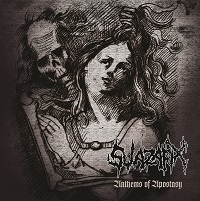
Swazafix_AnthTracking Theo Loomans involvement in and out of Asphyx is akin to running through a labyrinth in a state of panic, so I’ll leave that task to metal-archives.com moderators. Suffice it to say that Loomans made significant (and at times polarizing; some loathe God Cries) contributions to both Asphyx’s genesis and mid-period output before his untimely death at 1998. In between these stints, Loomans made his way into Franky’s Recording Kitchen and produced two demos with his group Swazafix (named after a Carnivore song). The first appeared in 1991, the second in 1992, and both are compiled here as Anthems of Apostasy. A thrashy and raw strain of Death Metal resulted, one bedecked with tightly-drummed mid-tempo assaults, dripping with a venom-filled, biting guitar tone stabbing at your ear canal with reckless abandon. Loomans’ early-Schuldiner caterwaul perfectly complements the all-anger intensity of songs that fully diverge from Asphyx’s doomier DM take with a much more frantic approach. And while the connection to the Asphyx sound remains with the vocal (in my opinion, van Drunen has that Chuck influence also) and trebly guitar tone, that same overall ‘faster’ approach suggests also that Loomans was channelling lingering emotions from his split with his bandmates. Whatever the case, the pace of this remastered two-demo comp stays unrelenting without simply jackhammering you into a pulp with constant blasts, with a dynamic spacing of tempos that sprints right along with guitars. Your takeaway will be that, from the manic riffing of ‘Plaintive Parallels’ to the demonic howls on ‘Burdened Sufferance’, these Death Metal songs come straight from the black heart of a talented and troubled artist, and as collected here, will raise the hackles on your neck. Even the demo-esque characteristics of the recording that made their way intact through the refurbishing (such as the bass-less bass guitar, and drums that move back and forth across the mix) serve only to strengthen the impact of the record. Theo was saying something with these tracks, and in my Southern vernacular that something would be ‘Fuck all ya’ll’.

The music of Swazafix uncovers a Theo unrestrained and out for blood. Whether you are an Asphyx fan or are not (and if you’re still reading you most likely are), get your filthy hands on Anthems of Apostasy and secure all belongings, for you are about to embark upon a joyfully turbulent journey toward the realms of Death. Most importantly, when you arrive, don’t forget to shake the hand of – and effusively thank – Mr. Loomans, the talented pilot that sonically transported you unto the end. -Jim

Vic Records

Stilla – Till Stilla Falla

•April 24, 2013 • 3 Comments

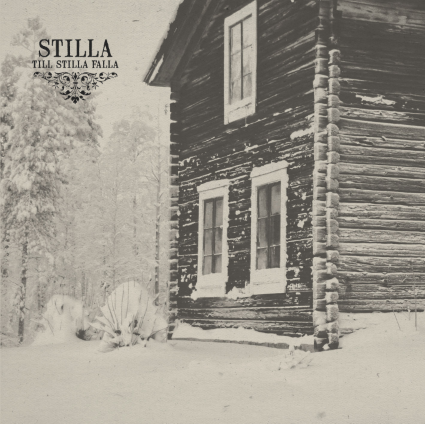
stillaWith members of Deranged, Armagedda, and De Arma in tow, the Swedish Stilla arise from the frosty northern woodlands sans demo, yet present a striking form of blackness that sounds like it has been cultivated for a decade.

Till Stilla Falla flows through its 6 tracks with clever bass lines acting as a distortionless anchor (imagine a more adventurous/active Joy Division feel), for the melodious dissonance of the riffs and their Norwegian styled presence to unveil a pleasing aura. Having the bass peeking through with such prominence is a nice touch as I feel this instrument always offers so much dimension when used properly, yet is so often buried in a mix. It opens up the sound field with powerful bass lines for the guitars to layer on the twisted/tense intricacies one moment, only to ease off the intensity so that smart and unique melodies can further unlock mental images of staring out over a snow blanketed landscape as on the track Allt är Åter… vast and very humbling. The vocals reach out from the harmonious and bleak layers with expected harsh and throaty screams, along with occasional pitch singing to enchant the metal side of Stilla with a touch of a Swedish folk characteristic. All of these elements have been exercised in the black metal world before, but Stilla have tapped into a vein of dark enchantment that puts me in mind of Ulver Arcturus’ early and superior years. Stilla take it a step further with airy and empowering synth and acoustic guitar lines that reinforce the call of the north to awaken in you a lost black metal spirit that once connected so deeply with the mystical side of this genre before it shifted into death metal complexities, gothic marketing schemes, or nearly impregnable black brutality.

Till Stilla Falla is an expertly composed album that strikes me as being far more passionate and alive than the bands where it’s members arrived from. Stilla’s music leaves mindless power chords and grim posturing far behind, as seriously moving and complex layers of sound congeal in a patchwork of sonic colors that can only be created with this much care and intricacy by artists who feel and live every note. Stilla have mastered the ancient black metal arts on their debut with sophistication and an undeniable desire for this movement to rise and reclaim its rightful place upon the northern throne. This is right up my alley and a style that I have been missing for some time. -Marty

Nordvis


Tribulation – The Formulas of Death

•April 24, 2013 • 3 Comments

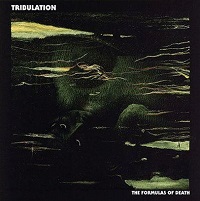
Trib_FormulasAside from the purpose of driving home a lyrical concept or the use of buzzwords for genre classification, titles of albums rarely describe the actual music contained within an album. However, The Formulas of Death, because of its inherent ambiguity, does convey the broad scope of Tribulation’s latest album. More than a smorgasbord of ‘progressive’ DM elements, the songs of Formulas of Death piece together as movements. Its smatterings of jazz and Phrygian dominant scales amidst flavors of Black/Trad/Goth/Post-, and, of course, Death Metal, don’t trample upon one another, as is often the case with technical DM bands intent only on manually stimulating themselves via fretboard. A certain sorrowful thread leads directly to moments of triumph within each track, providing a sturdy scaffolding for Tribulation’s ‘formulas’ to play out. While this pack of Swedes are far from the first to marry disparate musical elements within a mostly-Death Metal framework and do so well, their ability to maintain cohesiveness between songs and have them work well as ingredients of a full album remains rare. An odd piano run here, a circular bass line there … this shouldn’t work, but it does. Even the lingering passages of wah- and flange-ridden, single-coil guitar moments manage to avoid annoying the listener, for you know around the corner awaits a voice not unlike a young David Vincent/KK Warslut, or a collection of medieval notes that would even inspire Jon Nödtveidt to smile. Coupled with Trey Azagthoth’s pre-techno skills and Katatonia’s mood swings, you’ve got an album that will have you scratching your head as often as you ‘bang it, but in this overcrowded world of extremity, we need releases that are difficult to grasp on first listen. Often records most easily understood are the most easily forgotten. The Formulas of Death, however, does not merely bludgeon like the multitude of other Death Metal albums; it explores many less obvious means of lethality. Thus, like a poison, The Formulas of Death seeps in slowly, becoming more deadly after each listen, and, in doing so, reminds us: there are millions of ways to die. No need to choose just one. -Jim

Invictus/Ajna Offensive

Streaming: Arckanum – “Hatarnir”

•April 22, 2013 • 3 Comments

Worm Gear in cooperation with Arckanum and Season of Mist Records bring you an exclusive streaming track from the bands 8th full-length album, Fenris Kindir!

With material seemingly more potent and expertly composed, along with a full production that breathes a firestorm into this album, Fenris Kindir stands as yet another memorable and very interesting addition to the Arckanum pantheon of releases. arckanum

Shamaatae is an ever prolific songwriter and multi-instrumentalist that has been perfecting his own unique take on the black metal continuum by way of stripping down unnecessary complexities in order to achieve a poignant and deadly union of mysticism and anti-cosmic urgency. “Hatarnir” stood out as a favorite for this Worm scribe as it so perfectly captures said urgency and that underlying clangy punk fist to the face of the universe style.

For a more in-depth critique of Fenris Kindir, check out the review that published in last weeks Worm Gear update! Enjoy the track!

Chant your song on northern glory…

•April 17, 2013 • 4 Comments

It seems like a long week has passed for all of us in the Worm hole… don’t even ask Jim how buying a house is going, but through it all we have pulled it together for a good round of reviews AND a track premier from the new Arckanum will be airing next week.

Jim and I are proud to announce that we have added a new writer to the fold! We would like to introduce you to the talented Jake Moran. He is a fellow dweller of Northern Michigan, a friend of ours and into a lot of the same musics. For a deeper glimpse into where Jake is coming from, check out his blog Boreal Isle http://www.borealisle.blogspot.com for his passionate critiquing style and obvious love for the metal world that we all inhabit. He’s a great guy and a perfect fit in moving forward with Worm Gear. We are thrilled to have him with us and we’re sure that you’ll all grow to appreciate his literary prose. He arrives at the Worm bunker this week with reviews for Battle Dagorath and Cardinal’s Folly…

So we grow in strength and in numbers, and are eager to strike back next week. Hopefully the Satan and Arckanum interviews will be arriving soon, but in the meantime, enjoy this weeks stream of thought and our exclusive stream of “Hatarnir” from Arckanum’s excellent 8th album, Fenris Kindir.

Marty Rytkonen Playlist
Hades – …Again Shall Be
Feast Eternal – Forward Through Blood MCD
Eis – Wetterkreuz
Darkthrone – The Underground Resistance
Ablaze My Sorrow – If Emotions Still Burn
Aosoth – IV: Arrow in Heart
Angel Corpse – Hammer of Gods
Arckanum – Fenris Kindir
Unisonic – S/T
Ulver – Vargnatt

Jim Clifton Playlist
Cynic – Focus
Sarcofago – INRI
Samael – Ceremony of Opposites
Ash Borer – Demo
Infernal Conquest – Torture Campaign (demo)
Cryptopsy – None So Vile
Drudkh – Eternal Turn of the Wheel
Dark Tranquility – Skydancer
Winterfylleth – The Ghost of Heritage
Winter – Into Darkness / Eternal Frost

Jake Moran Playlist
Battle Dagorath – Cursed Storm of Ages
Panopticon – Kentucky
Seidr – For Winter Fire
Varathron – Genesis of the Unaltered Evil
The Lamp of Thoth – Portents, Omens & Dooms
Beherit – Engram
:Of the Wand & the Moon: – The Lone Descent
Rudi Arapahoe – Echoes from One to Another
Circle Takes The Square – As The Roots Undo
The Caretaker – An Empty Bliss Beyond This World

 
Design a site like this with WordPress.com
Get started