We’re here to burn up the night!

•October 2, 2013 • 9 Comments

A mountain of music is looming over the Worm compound as we shudder beneath it’s fearful shadow. But we have emerged once again clinging to a glimmer of light to offer up yet another session of critiques for you to peruse. Zahler has returned for a flyby and several reviews as well while Jake is focusing on moving. As our lives continue to be busy and complicated, the pleasure of sharing our thoughts with the class forever remains an honor and we’re thankful for all of you who choose to take the time to see what we have to offer. Many ideas continue to stir here and the passion to carry them out is forever at the forefront of our thoughts. In time…

Until then, keep sharing those playlists and secret smiles. -Marty

Marty Rytkonen Playlist
Manowar – Hell on Stage Live (disc 1 contains THE ULTIMATE setlist!)
Manowar – Louder than Hell
Carcass – Surgical Steel
Jello Biafra with the Melvins – Never Breathe What you Can’t See
Khors – Return to Abandoned
Feast Eternal – Forward Through Blood
Miscreant – Dreaming Ice
Jigsore Terror – World End Carnage
Dead Kennedys – Fresh Fruit for Rotting Vegetables
Pan.Thy.Monium – Khaooohs

Jim Clifton Playlist
Summoning – Oathbound
Summoning – Minas Morgul
Whiplash – Ticket to Mayhem
Panopticon – …On the Subject of Mortality
Lake of Blood – As Time and Tide Erodes Stone
Marblebog/Vorkuta 7″ – Wanderings (split)
Grave Miasma – Odori Sepulcrorum
The Cult – Love
The Cult – Sonic Temple
Bathory – Hammerheart

S. Craig Zahler Playlist
Carcass – Surgical Steel
Craniotomy – Supply of Flesh Came Just In Time
Darkthrone – The Underground Resistance
Necrambulant Infernal – Infectious Necro-Ambulatory Pandemic
Stormwarrior – Heading Northe
Perverse Dependence – The Patterns of Depravity
Amputated Genitals – Human Meat Gluttony
Kraanium  – The Art of Female Sodomy
Daft Punk – Random Access Memory
Genesis – Duke

Jake Moran Playlist
Blood of the Black Owl – Light the Fires!
Richard Moult – Long Dead Now, Tom Forrest
Cedar Spirits – Cedar Spirits
All In The Merry Month Of May – Root Bramble Stone
Giantkind – Early Harvest Late Harvest
Amesoeurs – Amesoeurs
Circulation of Light – Twilit Homeland
Circulation of Light – Acheiropoieta
Rain Drinkers – Uthen Web
Rudi Arapahoe – Double Bind

Bog of the Infidel – To Corrupt your Sons and Lust After your Daughters EP

•October 2, 2013 • Leave a Comment

bog of the infidelNothing about the cover art on Providence, Rhode Island’s sons of wickedness Bog of the Infidel, speaks to me that this EP would be anything other than a lackluster attempt at US black metal with a brutal/anti-melodic slant. With expectations low, To Corrupt your Sons and Lust After your Daughters instantly crept in with more of a laid back and patient approach to melodious black metal with a pension for atmospheric riffs and a mid to slower paced delivery that allows the guitar work to congeal into songs that do offer a strong sense of memorability. Color me surprised, then burnt black of course!
Stating right away that Bog of the Infidel bring nothing new to the sacrifice, but they augment years of black metal influence into something that is tinged with their own appealing take on the genre. To Corrupt your Sons… possesses a plodding vibe with guitar work that brings to mind the hook laden motion of bands like Grand Belial’s Key, Arghoslent, a hint of Dissection and Destoyer 666. Obviously BotI is far away from reaching the higher echelon of songwriting demonstrated by the aforementioned bands, but their presentation points to something worth experiencing and you can just tell that the core writers in this band are close to finding their true voice. Speaking of, vocalist “Satanist” offsets the music effectively with a charred black, mid-ranged and throaty screaming style that further gives this material more of an Earthly home. Even though quicker/blasting moments are scattered throughout the core of this EP, the overall flow is lucid and very smooth due to the reverb drenched production for that cavernous descent into the deep dark. It works well for them, though I did find myself losing track of the songs since there is an aura of sameness that creeps into the material.
Having said that, Bog of the Infidel are definitely on the right track with To Corrupt your Sons and Lust After your Daughters, as there is a lot of life to be felt within the 4 tracks comprising this EP. With more focus on dynamics and even more riff variation, I think subtle changes such as that could really elevate the quality of their material into something worthy of praise on a wider scale. Solid material for sure. -Marty
Eternal Death

Carcass – Surgical Steel

•October 2, 2013 • 3 Comments

carcassCarcass is the band that interested me in the extreme side of heavy metal.  Perhaps in the minority of Carcass fans, I enjoy all of their previous albums— yes, even Swansong (though I could not get into the risible Blackstar (aka Blackstar Rising) project).  From their opaque grinding inception to their groovy death ‘n roll conclusion, I enjoy the varied musical offerings from Steer, Walker, and Owen.  Memorable riffs (in many different styles) and interesting arrangements are the constants of quality for this ever-changing entity.

When I heard that Carcass would be releasing a new album, I was excited but wary, and when I read that the album was to be a mix of their previous styles—plus new stuff—my enthusiasm grew.  The reported vocal presence of Bill Steer was also something to look forward to, but it’s been a long time away for these guys, and there was no way to know creatively where they were at.  I was 23 the last time I heard a new Carcass album, and as a 40 year-old fan, my tastes have developed—I’ve written a lot of music and a ton of criticism and heard thousands and thousands of death metal songs.

So I am happy to report that Surgical Steel proves to be a respectable and triumphant return for Carcass.  From the Hellion-inspired intro 1985 to the weighty closer, this is a good album, loaded with ideas. There’s a lot of talk as to which incarnation of Carcass this new effort most resembles, and the answer is obviously Heartwork.   There are moments from other albums—the progressive arrangements and twin guitar circling of Mount of Execution recalls Necroticism and some of the overstuffed vocals in tunes like The Master Butcher’s Apron recall the force-feeding lyrical approach of the grind era—but essentially, Surgical Steel is Heartwork, Part II.  Lots of catchy thrash riffs with palm-muted chugging that would fit comfortably on some of the better Megadeth albums (albeit with different tuning), lots of heavy metal twin guitar (with uglier harmonies), lots of time changes, and lots of interesting (but not too complex) arrangements comprise this release.  So like Heartwork, Surgical Steel is an energetic album full of sterling hooks, cartwheeling solos, somber melody, left turns, and speed, but lacking the creepiness of their necrotic, sick and putrefactive days.  In short: This album is not atmospheric at all, but rather exciting and catchy.

The main limitation here—and also on Heartwork and Swansong to a lesser degree—is Jeff Walker’s singing.  I had hoped to hear 17 years of musical wisdom in his choices, but this performance is actually a step down from his lead singer approach on Heartwork.  His singing is and has always been limited—it’s a pretty good spoken word snarl, but not much more—and whenever he tries to expand his rasp into contoured death metal crooning as he does a few times on this album (esp. Cadaver Pouch Conveyor System) and throughout Blackstar and often on Swansong, his singing makes me think of Krusty the Clown.  Long held notes and melodic contour just don’t sound great in Walker’s clearly enunciated snarl.  And when he leaps out to the front with playful ideas, it can get a little embarrassing— the singing at the end of the otherwise terrific 316L Surgical Grade Steel is pure St. Anger stuff and injures the song.  So yeah, Walker does a specific thing pretty well (and on the best Satyricon albums, Satyr does the exact same kind of vocals much more tastefully), but the sheer quantity of the lyrics for some of these songs is just out of control—a “cramming in” approach to vocals that is the main relic of their grindcore days and out of place here.  Proof: The best vocal chorus on the entire album is in The Granulating Dark Satanic Mills where Walker simply sings numbers for the major part of the section and leaves a lot of open space.  Drier vocals and sparser singing suit him better than more emotive or playful stuff.  The tiny, almost insignificant vocal contributions of Most Valuable Carcass, Bill Steer should have been greatly expanded (he used to have the far better voice), and Walker’s singing should’ve been cut down by 50% or more.   And when Steer’s voice is present—I’m assuming that’s him in the chorus of Captive Bolt Pistol—his voice is way, way over processed and squandered.

So Walker’s singing—the overwhelming amount of it, the timbre, and the pedestrian phrases he contrives—is the only reason that this album is a good album and not a great one.

Former drummer Ken Owen’s distinctive beats are missed in Carcass 2013, but as is usually the case with line up changes in successful bands, the new player is more technically proficient and less creatively compelling than his predecessor.  This is not to chop on Dan Wilding’s playing—he is very good at rocking some of the weird left turns—but Ken Owen’s progressive playing in songs like Embodiment and Heartwork and his deep pocket groove in Rock the Vote evince a songwriter’s mentality (and on a personal level, incredibly inspiring—I used to practice to these three songs).  Wilding’s drumming snaps into place and propels the action and grooves when needed, but lacks the singular musical voice of Ken Owen (who is a ride cymbal artist).  I fully concede that the comparison is a bit unfair—there have been over two decades of extreme metal drumming since Symphonies & Necroticism and a lot of extreme drumming patterns and techniques have been cleaned up and standardized (for better and for worse).

Looking at the larger picture, the second half of the album is far stronger than the first, though all of it is good.  From Noncompliance of ASTM F 899-12 Standard onward, Surgical Steel has my interest 100%.  It’s at this point—track 6—that song structures get a lot more compelling and the riffs get more dynamic.  Additionally, since there are more in the way of instrumental passages in the second half, the best element of Carcass music—the riffs and color changes and arrangements—aren’t as smothered by vocals.  Steer’s solos are certainly sharp and exciting, mirroring the characteristics of the album as a whole.  And the musical trepanation after Walker’s cry of “Trepanation!” in Captive Bolt Pistol is an excellent example of imagistic riffs and a tactile listening experience—that hook certainly bores into the brain.

Although Surgical Steel is hampered by some pedestrian singing, the album is a catchy, exciting, inspired, inspiring, and commendable continuation of the Carcass legacy.  Unfit for Human Consumption, Mount of Execution, and Noncompliance of ASTM F 899-12 Standard are some of the best tunes in the band’s varied catalogue, right alongside Incarnated Solvent Abuse, Lavaging Expectorate of Lysergide Compostion, Forensic Clinicism, Embyrionic Necropsy and Devourment, Rock the Vote, Death Certificate, Heartwork, and Embodiment.   That three songs on the first new Carcass album in 17 years match the very best songs they’ve ever recorded is a testament to their artistry, craft, and passion. -S. Craig Zahler
Nuclear Blast

Castevet – Obsian

•October 2, 2013 • Leave a Comment

download (215x192)Listening to Castevet’s Obsian generates a feeling akin to enjoying a fresh cotton swab – feels damn good circling it around in there, despite the reality that you are dredging bodily muck. And the musical muck Castevet disposes of here are the samey-same black metal bands offering nothing in the way of stirring and inventive music. If you are unfamiliar (admittedly unlikely, as 2010’s Mounds of Ash rightfully raised many eyebrows) with Castevet’s brand of black metal massaged with post-hardcore and prog and your ears are in need of a good rooting out, the highly original arrangements present upon Obsian are an excellent introduction to their roto-rooting sonic Q-tip. Don’t think, however, that by my mentioning ‘prog’ that this album contains any wankery, or by ‘post-hardcore’ you are being offered up a slab of boredom-inducing, impotent fist-waving. Prog in this context refers to intricate, but not over-the-top arpeggiated chords and slightly off-kilter (never jarring) time signatures intended to paint ascending and descending shades of gray and black across the Castevet canvas. Counter-point basslines (courtesy of Nicholas McMaster, also of Krallice) announce themselves above the music, splitting your mind’s attention between guitars alternating forth and back from dissonant to melodic and back to dissonant again, all within the span of a single measure. And it is the dissonance and vocal cadence that draw the post-hardcore tag, but unlike bands that adopt a cut-and-paste approach to showcasing influence, Castavet mix this element in with each single black metal riff concoction, thereby denying an easy exclamation of “there it is” when picking out any particular sub-genre element.

Absent in Obsian are any blast beats whatsoever, distancing them further from categorization. Castavet make up for this omission with their innate ability to create bleak atmosphere – another, arguably more important ingredient of any black metal album. And, as with the guitars and harsh vocals, Obsian‘s ambient structures remain evocative and essential throughout. The final minute of ‘The Curve’ juxtaposes beauty and emptiness so perfectly, you’ll find yourself wishing it would never end, while the four minutes of quiet guitars and haunting synths of the album’s title track will draw you deep into a netherworld of hopelessness and catharsis. The dichotomy of beauty/emptiness is perhaps taken too far on final track ‘The Seat of Severance’, wherein Andrew Hock harnesses his clean-singing capabilities which, while in key and serviceable, broke me out of my BM reverie.

Black Metal purists may not give this experimental record a chance, but I’d recommend against bypassing it. Regardless of any techniques employed, this release exemplifies dark music done with taste and emotion. Thus, with Obsian, Castavet deliver on the promise of USBM’s evolution, for those open-minded enough to embrace it. -Jim

Profound Lore Records

WWIII – WWIII

•October 2, 2013 • Leave a Comment

WWIIII adore this 1990 album by WWIII, but it is not for everybody … or even most people.  Essentially, this WWIII debut is a heavy metal / hair metal / hard rock hybrid.  It is simple music that could have passed unnoticed had not the performers mercilessly beat the shit out of it.
Mandy Lion is the lead singer of WWIII, and I can safely say most people won’t like his vocals.  His timbre has the gravel of Lemmy and post-Iron Maiden Di’Anno, and his shrieks compare to those of Manowar’s Eric Adams as well as the pig squeals of Udo, but Lion’s overdone dramatics— the cartoonish “evilness” of his persona— is truly bonkers, and likely something most people would make fun of.  So yeah, if you combined Lemmy, Di’Anno, Udo and Eric Adams into one guy and then had a devil vampire bite him, you’d get Mandy Lion.  I know this sounds ridiculous, and he definitely is.  But the fire coming off of him and his many different modes of singing are terrific.  Moreover, he comes up with some great musical refrains in songs like “The Cage” and “The Harder They Come” and other times, sells a chorus with the incredible delivery of a simple idea “Love You to Death” and “Time for Terror.”
If you like what Many Lion does, you’ll also be faced with the choice of 1. Ignoring the idiotic lyrics  2. Embracing the idiotic lyrics.  I choose the latter, since this entire album is excessively excessive and the macho posturing (in clumsy English) is yet another obscene layer to this thing.   Example: “The harder they come, the harder I get… I never ever had a problem yet.  Hey baby wanna place your bet?”  So yeah … um … poetry.
Vinny Appice, the greatest drummer in the history of mankind, is the other performer operating at 500% on this album.  His work on Black Sabbath’s best album Mob Rules (esp. “Sign of the Southern Cross”) and the first four Dio albums (esp. “Rock and Roll Children,” “Holy Diver,” and “When a Woman Cries”) is the most flavorful, powerful and emotive drumming ever.  None of these songs would be nearly as good with regular beats.  WWIII comes right on the heels of this great body of work and Vinny throws boulders, slams doors, and stomps buildings relentlessly.  Compare the drumming in “I Love You To Death” to Dio’s “Don’t Talk to Strangers” to see how Vinny builds (and delivers) crescendoes.  His kit sounds massive and the performance is a river of thuds, accents, and interesting syncopation that enrich the world.  Hail to the master.
Guitarist Tracy G (later in Dio as well) plays some simple and noisy riffs or open chord progressions that straddle the fence of metal / hard rock— nothing too complex here.  Oftentimes, he’s more interested in playing a noisy variation of the hook than the hook itself, but you already heard it some, so why bother to play it “right”?  His loose approach often approximates that of a veteran guitarist that has played a song live for decades and is just sort of riffing on his music — hinting at it — so that the crowd can recognize it and applaud.  And yes, this seems like an odd approach on a debut album, but Tracy G’s riffing has a nice live electricity throughout the album, and when he solos, he can really deliver— the lead in “Love You To Death” is certainly Vivian Cambell caliber stuff.
A couple of duds keep this album from unwieldy and cantankerous perfection— “Atomic Sex Appeal” and “Call Me Devil” are forced even by the standards of a band that forces everything—but most of the album is good or great stuff.
It is doubtful that most people (including you) will be able to handle the megaton of pounding, shrieking, screeching, ugly awesomeness that WWIII delivers on this disk, but check it out if you want to experience the most hideous and savage variation of hair metal ever conceived. -S. Craig Zahler
Hollywood Records

Pounding nails … into the … lid of your … coffin

•September 25, 2013 • 24 Comments

ZEMIAL!  Yes, Mr Rytkonen uncovers the latest from this Greek Black Metal purveyor, and it’s a bevy of styles that comes together exceedingly well.  Jake brings us the brazenly original UK blacksters White Medal and his take on the AnXpm / Symphonia Sacrosancta Phasmatum split, while Cliftonium disseminates the absolutely crushing new Grave Miasma, and Belgian head-turners Possession. So Varg’s suit against the French gov’t takes place Oct 17th … legit case, or a spilled-the-coffee-now-I’m-suing-you triviality? You decide!

Jim Clifton Playlist
Moonblood – Blut & Krieg
Falkenbach – Asa
Fyrnask – Bluostar
The Ruins of Beverast – Unlock the Shrine
The Ruins of Beverast – Rain Upon the Impure
Sepultura – Bestial Devastation
Aeturnus – And So the Night Became
Nhor – Within the Darkness Between the Starlight
Skogen – Svitjod
Nunslaughter – The Devils Congeries (Vol. 1)

Jake Moran Playlist
Fauna – Avifauna
Preterite – From The Wells
Agitated Radio Pilot – The Bridesmaid & The Partial Eclipse
Lönndom – Viddernas tolv kapitel
Fearthainne – Knowing
Mortiis – Ånden som Gjorde Opprør
Seirom – Sparkle Night
Stray Ghost – Those Who Know Darkness Have Seen The Light
Red Tail Ring – I. Middlewest Chant
Angel Olsen – Half Way Home

Marty Rytkonen Playlist
Zemial – Nykta
Caladan Brood – Echoes of Battle
Waldgeflüster – Trauerweide Demos
Satyricon – Satyricon (only listened to this once and may never do so again. What a completely lame album.)
Diskord – Diskord – Doomscapes/Aural Abjection (still kicking my ass. Wow!)
Carcass – Surgical Steel
Stargazer – The Scream That Tore the Sky
Necromantia – Scarlet Evil Witching Black
New Order – Movement
Windr – Likferd

AnXpm / Symphonia Sacrosancta Phasmatum – Split

•September 25, 2013 • 2 Comments

a3245091665_10What comes to mind when you think of christian metal? Incubus? Antestor? How about Reverorum ib Malacht, the most off-their-fucking rockers duo of musicians in Sweden who play “Roman Catholic Black Metal” and just happen to have released one of the best, weirdest, and incidentally most evil sounding, black metal albums of the last 10 years, URKAOS. What happens if you pair these two offbeat monks with the weirdest practitioner of the black metal arts in England; that medieval, obscurity obsessed abbot Unknown Ikon from (Hamm)Emit? Why, you get one of the strangest splits around; where raw black metal shares vinyl with a dark ambient, funeral doom hybrid. Throw that venerated soldier of Christ, Janne “Old Koth” Eriksson, into the picture and you have, well, something…

AnXpm, being Unknown Ikon and Karl Emil Lundin (credited here as Fra Abdabor to make things more mysterious and obscure than they already are), addresses it’s eerie homilies in a raw, noisy black metal tone. It isn’t remotely as chaotic and and torturous as Unknown Ikon’s Emit at it’s more deranged moments, instead following a more structured approach of simple but still clearly bizarre songs. The riffing, which tends to be mid-paced to fast strumming, is clear and easy to follow, but always just off enough with oddly atonal and warped note progressions to ensure that the listening experience never approaches comfortable. It more than fits the atmosphere and approach they’ve taken; the lyrics, belted out with vocals ranging from nasally, barked shouts to insane chanting, read like the poetry of a hermit who’s spent the last 3 years of his life fasting in a rain-soaked cave on some miserable and forsaken isle off the coast of England. The claustrophobic production is as rough and draining as sleeping on the damp, rock floor, and Fra Abdabor’s studious drum work is as relentless as the lash with which you scourge your own back. The skin work, as seems to always be a theme in his work, is incredibly creative, contributing to these songs musically much more than the instrument tends to in metal. This quality is most apparent in “Cosmic Seven Radiating Forth”, which, in the spirit of Ildjarn’s Strength and Anger, consists of only a single-note riff and frantically chanted vocals. As boring as that might have had the potential to be, the extremely active drumming becomes the dominant instrument of the song. It has the effect of keeping you drawn into the music, making something that should be monotonous pleasingly hypnotic.

“Christ’s Dawn” is the singular offering of Symphonia Sacrosancta Phasmatum, which was the earlier title of Reverorum ib Malacht, and it nearly defies description. Opening with an obscure sample (spoken in Swedish as far as I can tell), faint and disonnat piano stumbling, and dark tones that oscillate between ethereal and ominous. It’s followed by a monstrously downtuned, distorted guitar and pounding, distressing drumming. It almost sounds like early Skepticism, if Stormcrowfleet was recorded in a Lovecraftian nightmare dimension. It follows some structure, but it’s so loose, deranged, and atonal that you’ll be aware of its presence, but you’ll never be able to really identify it. The vocals are a (disappointingly) standard, deep growl, buried somewhere in the middle of the percussion and noise driven production. The entire song has the air of a ritual contorted beyond any reason, filled with bizarre tones and sounds of unknown origin, melding together in strange ways that, despite their misshapen and cacaphanous nature, still do have an engaging nature. I feel I have to mention that ‘Old Hair’, is mentioned as an instrument in the liner notes… Even more so that AnXpm, this is absolutely not everyday music, requiring a certain dedication and intention to listen to and get anything out of.

It’s this difficult nature that runs the twisted thread between this obscure group of musicians, and this split is no different. They’re immensely talented and creative, but the music they create is so challenging and strange that it’s likely not to appeal to those without a near obsessive interest in their art. That may be their intention, and for me, the reward for dedicating myself to this music is more than worth it. But for others, this isn’t going to have a great deal of appeal. If you’re at all interested in the absolute fringes of extreme metal music, this is an eminently dark, outlandish and unique split; if you’re looking for a tune to bang your head and drink a beer to, you’ll want to search elsewhere for your alcohol driven fun. -Jake

Barghest

Grave Miasma – Odori Sepulcrorum

•September 25, 2013 • 7 Comments

GM_OSI can easily imagine members of Grave Miasma (formerly Goat Molestör) harboring no small amount of annoyance at the increasing number of bands engaging in a ‘cavernous’ brand of black/death, when they have remained hardworking practitioners of this particular Metal trade for well over a decade. However, they need not concern themselves with the weak output of most of their peers. GM’s Odori Sepulcrorum bitch-slaps the wannabes, with actual (gasp!) songs that are the furthest thing from simple-minded, duct-taped riff-refuse. Each track is a memorable journey laden with guitars snaking around one another constantly, meeting as one, then splitting apart in atonal chordings reminiscent of Mayhem’s Ordo Ad Chao, only to then ‘harmonize’ unexpectedly with purely evil fifths and thirds. As a result, Grave Miasma’s own method of riff concatenation never feels lazy, or the result of any ‘happy accidents’. As the album sinks in, layers of original, rotting sonic flesh guitar work will peel back, revealing a death metal depth rarely present amongst the hundreds of albums shat out annually. And that singular, nigh-forgotten aspect in many black/death groups – namely, present and/or decent soloing – strengthens each track often with filthy yet classy phrasing, rather than always being go-to exercises in whammy-bar masturbation. Vocals emanate from behind a burned-out confessional booth, and remain there throughout. Thus, the riffs and drums take the pulpit, intent on burning the brands of memorability onto the brains of Grave Miasma’s imprisoned parishioners. Even the most nubile extreme music fan will sense the immense amount of thought present in the composition, with its mind toward Hell-descent at all times. And if you are new to them, know also that Grave Miasma shares members with the almighty Cruciamentum, a band any self-respecting death-o-phile should seek out, if they haven’t already.

As Odori Sepulcrorum concluded with the fantastic ‘Ossuary’, morphing out and back on itself with near-hidden bits of flutes and other typically non-black/death detritus, that infrequent but welcome eagerness, that ‘knowing’ that I’ve barely shoveled the surface of disturbed earth from an album, had me carrying a listening apparatus to my own “odorous sepulchre”, so eager was I to experience it again, so confident was I that there many more tasty Metal morsels to be had with another spin (too much information? Ah, well). Well done, UK deathsters. Fans of pungent sounds, prepare yourselves. -Jim

Profound Lore Records

Possession (Belgium) – His Best Deceit (tape)

•September 25, 2013 • 5 Comments

Possession_His“They were getting read to perform a little of the old in-out…”

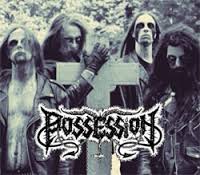
After embracing the absolute savagery of this four-song debut demo, I was brought to mind the brutality of that famous quote from that infamous scene in A Clockwork Orange, for what is displayed before us is an unadulterated black/thrash violation of the earlobes, done repeatedly and without mercy. (I suppose I should point out the title of course refers to a different film moment, Pacino’s rant in The Devil’s Advocate, but eh, you probably already knew that). Possession engage the sounds of early ’80s evil as their oeuvre, and while that may not translate to the reinvention of the wheel, that is neither the point, nor is it the whole story to be told for this young band. We have the requisite slow-delay vocals, but the screaming voice cracks with fury and ferocity in equal measure, pontificating their occult agenda with a punk sincerity threatening to escape your speakers like a fuckin’ Heavy Metal home invasion. Moans and howls fly over the maelstrom below, adding a much needed frost to the air above the bleached-bone, histrionic goodness (the closing moments of the title track employ this technique and in so doing, the song is appropriately elevated). We have the blasting snare, the clanging bass, and the mid-range guitars, but all are riddled with that undefinable, potent rage as unstable as orange juice and gasoline next to open flame. And while I still believe that covers, especially on EPs, are often a waste of recorded space, Possession’s coked-up, ‘roid-raging cover of Bestial Devastation-era Sepultura track ‘Necromancer’ fits perfectly within the context of the three original offerings, inspiring me to put that particular Brazilian gem back on the playlist – by way of comparison, rather than condemnation. No small feat. It is also noteworthy, and in many ways surprising, that I feel compelled to get the word out on this new band at all, given that we are continuously sent a hefty smorgasbord of similar, but yawn-inducing attempts to recapture the old school black/thrash power. Or is it? They call themselves ‘Possession’, after all. -Jim

Iron Bonehead Productions

White Medal – Guthmers Hahl

•September 25, 2013 • 7 Comments

385767“Alone an thee hear’t wolf cry Agbrigg!”

Following over 4 years of demos, splits, and EPs, Guthmers Hahl represents White Medals first full-length album. A one-man project helmed by George Proctor, White Medal’s early attacks were already a feast of raw black metal for any obscure, pagan tyrant. Is Guthmers Hahl worthy of its full-length title? Read on…

The past creations of White Medal have always had a distinctive sound; filthy production, an obscure and alienated yet glorious and arrogant air, and twisted, inhuman vocals that you can practically smell the turf rising from. Guthmers Hahl not only continues the this decadent and atavistic tradition, it’s the most depraved and sooty sounding White Medal release yet. The guitar tone alone is massive and devouring enough to be the aural equivalent of Fenrir’s jaws closing on the hand of Týr, but the immense, almost blown-out pagan war drums pounding at the roots of Yggdrasil leave no doubt that this is music to invoke an axe age, a sword age, ere the world crumbles. The lyrics aren’t provided, but the old Yorkshire dialect used in the song titles further entrenches the archaic miasma Guthmers Hahl revels in, delivered by Proctor’s vocals; as inhumane and sickening as ever, sounding less like a human and more like a bog body vomiting five-thousand year old peat from it’s dessicated lungs. In truth, that’s the best analogy for this whole album and the rest of White Medal’s discography so far. It feels unearthed; covered in mud and shrouded in mists, a horrifying and vengeful walker on the moor.

The songwriting holds up to the monstrous sound in unexpected ways that prove yet again White Medal is far superior to much of what gets peddled as ‘raw’ black metal these days. “Return of Pagan Yorkshire” makes for a perfect opening battlecry, as ominous and menacing as it is triumphant and superior. A hammer strike of annihilating vocals, crashing drums,  and even a vicious solo near the end. Far from an uninspired Ildjarn hanger-on, White Medal’s riffing draws from punk and traditional heavy metal with power chord charges, as well as black metal from it’s tremolo melodies and overall atmosphere. There’s a thirst for conquest on Guthmers Hahl that brings the album to a great many shores. “Skratje’s Gate” has an unexpected, industrial vibe to it’s grinding, anvil-striking tune, interspersed with a melody that wouldn’t have been out of place on Filosofem, and finally ending with a triumphant, NWOBHM sounding riff that I challenge you not to be fist-pumping and head-banging along with. If that sounds like an eclectic mess, be assured that Guthmers Hahl stirs all of these ingredients into its foul brew in such a way that its hard to imagine it tasting any other way.

There’s so much more that I could write about this album, like the way certain riffs hearken back to Graveland’s The Celtic Winter, one of my favorite albums, or the delirious and maniacal vocals that grip you by the throat before they’re twisted into the warped, electronic outro of “Afeeard Ut Setting Sun”, but it suffices to say that Guthmers Hahl is a rare sort of album. For a first, official full-length, it’s immensely satisfying; taking everything that White Medal has accomplished so far and not only doing it better than he ever has, but actually expanding and evolving his sound in brilliant, unexpected, and wholly unique ways. Five years is a long time to spend in the demo stage, but it absolutely benefited Mr. Proctor here, and you have to wonder why more bands don’t spend time discovering their sound and developing their craft before making a first foray into the world of albums. Here’s hoping for a long, glorious, and depraved future for pagan Yorkshire. -Jake

Legion Blotan / Aphelion Productions

Zemial – Nykta

•September 25, 2013 • 5 Comments

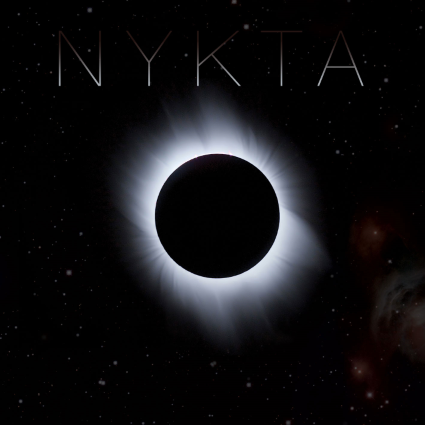
zemialThe fact that Nykta, the 3rd full-length from the Greek Zemial, is the product of the mind and soul of the amazing multi-instrumentalist Archon Vorskaath (also been affiliated with Agatus, Alpha Centauri, Crimson Moon and the Watcher), takes me to the furthest reaches of the blown mind universe. I have always been drawn to the magic woven by this musical entity, for Zemial were a different breed of thrashing black heavy epic metal beast that were unconcerned with peoples reaction to his risk taking and often expansive exploratory musical development, which rang true like the funeral bells of war with the overlooked and misunderstood opus, In Momentum. That album really struck me as a special moment in Zemial’s quest. Following up the unique occultic thrash masterpiece, Face of the Conqueror with an epic heavy metal album seemed bipolar, but it worked so well right down to the last note. It’s ok to disagree with me there, although you are wrong. The blunt/rounded off production gave it a battle weary atmosphere and depressively haunting feel which the music so expertly personified, it was impossible not to be affected in some way after repeated listens. But Nykta returns from the realms of a war ravaged dimension, with all senses finely tuned and ravenous for another attack on the mind, the soul and eager to take the fight deep into the heart of the cosmos. And Archon doesn’t stop there.
Nykta is an all-encompassing embodiment of Archon’s musical history working as Zemial. This album functions within the superbly unique black thrash style that has always been the core element of expression for this band, but the “epic metal” elements have become such an important mainstay of the end result that it is hard to envision Zemial without such superior solo work and traditional flair for song alchemy that marches to the pulsating light from a dying star. And to the stars we ascend with tracks like “The Small” and “Pharos” (this one is a 14 min middle eastern influenced world builder of a track that closes the album) with psychedelic moments that embrace effortless prog instrumentation and even Pink Floydian jam elements where the vibe licks the heavens like encircling smoke from an ancient pipe. The organ/vintage synth work has always been a part of Zemial lurking in the background, but for Nykta, it becomes an even more integral element of mood sculpting originality to even further set this project apart and beyond from the glut of bands existing within the genre Zemial shares the most similarities. The end of the album flows into theatrical musical exploration and is completely rewarding. The first half is equally as rewarding thanks to the aforementioned thrash vengeance where endlessly punchy and memorable palm muted gallop riffs explode with conviction and an obvious sense of “been there, owned it, reworked it and made it so much better than the thrash glut of the 80’s”. What makes this album work and hold together is throughout the many varying styles and shifting dynamics that come and go, it all still sounds like Zemial and it is infinitally interesting to me what he does with his riffs and how he shapes them into such a behemoth of an album.
Zemial for lack of a better term, is indeed a “weird” band. And by weird, I mean amazing, for no one else out there sounds like like them, nor can they come close to the vision emanating from the soul of this music, or the endless talent of its creator. That may be off putting to some, or difficult to comprehend for others, and that is ok! With Nykta it seems that Archon Vorskaath has halfway closed the door on the distant past and is looking deep into the dark matter at the end of the galaxy to wormhole his way into a whole new avenue of inspiration and longevity. May his vessel steer forever long and deep into the unknown. Nykta contains something for everyone in the metal realm, or orbiting around its creative core. I will be obtaining this one on vinyl on it’s October 31 release date! -Marty
Hell’s Headbangers

More grey and dim than long cold autumn rain

•September 18, 2013 • 33 Comments

Just a little glimpse into the future… I’m certain I have won the $400,000,000 from the powerball drawing, so expect a lot more time dedicated to Worm Gear in the coming months and the drastic elevation of 2 dear record labels as I will promptly be leaving my job. Ah yes… the good life. Should this not pan out for some odd reason, aside from me being completely pissed and having to tell the real estate agent in England to nix the “castle hunting” plans, we’ll still be here toiling beneath a restrictive fraction of time in our complicated lives. But wait! What’s this? Interviews coming with Sacriphyx, Nhor and Feast Eternal? Indeed! The Worm keeps churning below the surface and will return next week again with something for you to chew upon. Until that glorious occasion, we’d love to gander at your listening habits and hear what has been troubling you. The Dr’s are “IN”. -Marty

Marty Rytkonen Playlist
Morticious – Genetic Blur Demo
Diskord – Diskord – Doomscapes/Aural Abjection
Summoning – Old Mornings Dawn
Caladan Brood – Echoes of Battle
Gorement – Darkness of the Dead
Nargaroth – Jahreszeiten
Thulcandra – Fallen Angels Dominion
Pungent Stench – For God Your Soul… For Me Your Flesh
Satanic Warmaster – Nachzehrer

Jim Clifton Playlist
Death – Scream Bloody Gore
Bolt Thrower – Warmaster
Ildjarn – s/t
Ildjarn – Strength and Anger
Summoning – Let Mortal Heroes Sing Your Flame
Summoning – Dol Guldur
Chthe’ilist – Ve’coiitn’aphnat’smaalà
Darkthrone – Transylvanian Hunger
Thou Art Lord – The Regal Pulse of Lucifer
Cadaveric Fumes – Macabre Exaltation

Jake Moran Playlist
October Tide – Rain Without End
White Medal – Guthmers Hahl
Branikald – Stormheit
Reverorum ib Malacht – Urkaos
AnXpm / Symphonia Sacrosancta Phasmatum – Split
Joanna Newsom – What We Have Known
Joanna Newsom – Have One On Me
Erang – Another World Another Time
Erang – Tome II
Behemoth – …And The Forests Dream Eternally

Diskord – Doomscapes/Aural Abjection Reissue 2CD

•September 18, 2013 • 8 Comments

diskordIt’s always exciting to pick up on a band that has slipped beneath the radar, which is all too common an occurrence in today’s endless cultivation of bands that rise to the surface, to get turned back beneath the tundra thanks to a marketing void in their business plan. Having formed in 2001, Norway’s Diskord have been treading water for 12 years, but this doesn’t mean they deserve to be cast asid. No. In fact, Hellthrasher Productions has just reissued as a 2CD set, the bands Aural Abjection demo and debut full-length, Doomscapes. And to these weird proggy death appreciating ears, Diskord were fighting against the current of redundant death dealers to arrive at their own highly developed sound.
Starting off chronologically, the Aural Abjection demo is a 9 track descent into old flavored death metal, with lively music and song structure ideas that were kissed by a prog friskiness in interesting note based riffs and overall forward thinking delivery. The muddy, but clean sounding recording feels like a proper studio session on the cheap, but the overall sound allows the band to prosper with their own sonic identity, even though at times the meatiness of the bass guitar and general feel makes me think of a busier and cleaner Severed Survival (Autopsy), or another traditional death band that arose from that era. The treble-less drape over this material does siphon a bit of energy and overall aggression away, but the material is so well considered and written with a solid mid-ranged growler at the helm, that the demo does a great service in introducing this talented band to fans of death metal with a soul! That and the song “Cease of Existence” completely rules with the odd time changes and intense riffing.
Moving on to 2007’s Doomscapes… there’s the grit in the guitar tone I was looking for! Right away, An Architechtonic Manisfestation of Death greets our ears with a fantastically interesting attack of technicality, but not too much; furious riffing that weaves imaginative song structures and that slightly sickened Autopsy influence as previously mentioned to hold all the extraneous elements that Diskord are expertly sculpting together. The bass is thankfully coherent and a vital part of their sound as witnessed on the jazz influenced Instauration. “Cosmic Collapse” digs in with blasting perfection in the drum work, while slower note dominant scales offers an odd, though pleasing counter offensive over the raging storm.
True to their name in every sense of the word, Diskord are a breath of fresh air with their memorable technicality and flair for embracing the ancient greatness of death metal. They effortlessly achieve intensity in the way they play, plus their open minded approach to songwriting by way of implementing several different non-metal genres within their well thought out presentation gives them endless options and directions to fight with their music. Every song feels like a journey and no matter how “out there” they get, Diskord keeps their core deathly and complex. Great reissue! Thanks Hellthrasher for sending this one in. I’m super interested to hear how this band progressed as they are still together and putting out material. –Marty
Hellthrasher Productions

Tracks from the Demo:

Live:

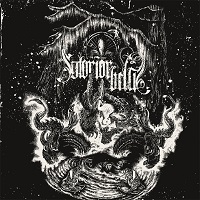
Glorior Belli – Gators Rumble, Chaos Unfurls

•September 18, 2013 • Leave a Comment

cover_2013_200I chose to move a thousand miles north a while back, but having spent most of my life in South, and with most of my roots stemming from there, I am still very much a Southerner, despite my affinity for cold climes, cold Great Lakes and even colder music. For that reason, Glorior Belli’s attempts at melding blues/swamp-metal with black metal – at varying degrees – has intrigued me. On Gators Rumble, Chaos Unfurls, the full embrace of their blues aesthetic begun in earnest on Meet Us At the Southern Sign (an album I enjoy) continues but now – aside from the J.’s well-know high-low gurgle, a blast now and again, and an infrequent double-bass run – this ‘Southern’ side of the band (by way of the outskirts of Paris, France) has pushed the blackened aspects of their sound to the corners. Surprisingly, I am unhappy with this. I’d have thought that more of the blues’ humid tonality, so familiar to me, would have been more welcome to my aging ears, but it actually isn’t. I realize now that, for me, GB’s blues inductions were highly appreciated and brazen major-chord breaks in the band’s black metal action, but the ample, converse presence of their tremolo notes and blast beats are what buttressed up the pentatonic scales. With only sporadic moments of ferocity (excepting the track ‘I Asked For Wine, He Gave Me Blood’ which mightily pummels all the way through), the sounds of the bayou Glorior Belli emulate have me thinking of bands that do this style full-time and to greater effect, and yet, I know that I am going to keep giving Gators Rumble, Chaos Unfurls a chance despite my initial reaction to it. For at the end of the day, Glorior Belli’s risks remain those that few (if any) other black metal bands have taken, and so I can’t easily disavow the record without spending a larger amount of time with it than my self-imposed deadline for this review allows.

And that’s where we are left. If you don’t mind a bit of rock with your black, you may, with time, be able to find something to appreciate within Glorior Belli’s latest. If the thought of such things sicken you, well, you already gave up on them five years ago anyway. -Jim

Agonia Records

Lustre – A Spark Of Times Of Old

•September 18, 2013 • 3 Comments

cover

Approaching a new Lustre release tends to produce a mixed but predictable reaction for me. The initial thought: “Do I really want to hear another ambient/black metal release that sounds more or less the same as everything else Nachtzeit has done?” The first impression: “Damnit, this is really too good for me to care if it sounds the same.” Follow-up listens: “There’s actually a lot going on here, and the subtle differences really make this something unique in his discography.” Final thoughts: None, I’m too blissed out for them. Does A Spark Of Times Of Old, the upcoming MCD from Herr Nachtzeit, fall into this same pattern? Not exactly.

I can appreciate the work that’s gone into texturing this song, so that while it feels distinctly like Lustre, it has enough of a unique atmosphere in his discography to ensure it doesn’t evoke too much a Groundhog Day sensation in anyone with more than a passing familiarity in the project. Of course, the distant but thick wall of guitars that forms as the backdrop to many Lustre songs is here along with the unmistakable keyboard tone, Filosofem-esque drumming, and hissing scream, but the synthesized voices and horns reinforce the uniquely somber character set down by the monolithic riff that underlies the entirety of A Spark Of Times Of Old.

And here begins the “Problems” section of the review; unfortunately longer than the “Positives” in this case. This single track is built around a three-note tremolo riff base that, excluding the first minute of rain and fire samples (Can these be banned from metal, forever? Not that I’m opposed to rain or fire, but this is tired and cliche in the worst possible way.), repeats without stop through the whole of the piece. Three notes. Nineteen minutes. This riff, simple as it is, sounds good initially. Synthesizing with the title and regal sounding synthesizers, I can easily imagine an ancient, stone statue forgotten and eroded by time in the rain. By the hundredth or so repetition, I’m wishing someone would smash that same statue into dust. More is occurring here; multiple synth melodies are layered over this base, and the Nazgul vocals certainly grab your attention. I wouldn’t say It’s lazily composed; the way the melodies weave together and play off of one another ensures that it never ceases to be an interesting and even enjoyable surface listening experience, but none of these layers ever change the song in a way that’s engrossing enough for me to actually care. Perhaps one of the main issues here is the length: there’s not enough here to fill nineteen minutes. When ambient black metal crosses the line from hypnotic to monotonous, something is quite wrong.

And it results in this EP feeling, well, rather lifeless. It sits mostly in stasis; certain layers are introduced and then subtracted, but they don’t change the flow of the song in any meaningful way. Imagine if Burzum‘s “Det Som En Gang Var” repeated the first few seconds of the song with a few keyboard melodies riding over top of it for 19 minutes, and you get a bit of a sense for what this A Spark Of Times Of Old is like. I can’t say that I didn’t enjoy listening to this to some extent; the production, mood, and overall soundscape is gorgeous and well crafted, but I already know that Nachtzeit is a master of this. The importance of those atmosphere introducing elements is that they enhance the actual composition itself, and it’s the composition that isn’t nearly emotionally captivating enough here to compel me to return to it in the way that this year’s full-length, Wonder, did. I get the Times Of Old here, but where’s the Spark? The heat? The fire? -Jake

ATMF

Vàli – Skogslandskap

•September 18, 2013 • Leave a Comment

m_1373286244 (200x200)Prophecy Records knows what underground metal fans of discerning taste will enjoy. Its owners, whoever they are, understand that we won’t always be in the mood for Forest Poetry, though albums that shy away from relentless sonic atrocity must nevertheless still possess the all-important attributes of power and honesty listeners of our mindset require. Enter the artist Vàli, a Norwegian acoustic/folk musician that delivers quiet, yet highly emotional instrumental music via a muse that somehow feels familiar to the extreme music seeker. On Skogslandskap, a beautiful canvas of melody, melancholy, hope, and sadness is submitted for the undoing of our steel-stitched and -bloodied hearts. Vàli’s weapons of choice are acoustic guitar, violin, piano and flute – no electric accoutrement or percussion here. And, for succeeding as they do, together, in bringing the soul through a flurry of feeling without bogging down into torturous New Age ennui, the sense that at the album’s heart lies a man tormented yet wistful is inescapable, and lends this work of art a heaviness all its own. And Vàli’s genius lies not only at the composition, but at the packaging and timing of the effort as well. The cover art perfectly conveys a woodland/natural sensibility appealing to the black and pagan metal hordes. The brevity of each track (all but one song comes in under four minutes) grabs the chin of the attention-deficit and never releases its grip, as each movement appears and disappears so quickly that a palpable longing for more echoes after every listen. That specific longing, or rather, hollowness, can only be filled by a repeat play of Skogslandskap. I fully believe that was Vàli’s intention, for how else can an artist achieve peace, when the drive to connect via creation is the salve that art boils down to? The panacea for any musician can best be described as this one certainty: that his or her captured moment will be experienced by the intended audience again and again.

Here lies a record defying easy categorization, shrugs off criticism, and will be a record loved and groove-worn for those who give it a chance. And it’s not just for ‘us’. Skogslandskap is great music for all. -Jim

Prophecy Records

Vemod – Venter på stormene

•September 18, 2013 • Leave a Comment

a3600831986_10Is there a genre that comes even close to being as inundated with nostalgia as black metal? If there is, I’m not aware of it. For a genre as frigid, solitary, and apparently misanthropic as black metal is, it’s drowning in as much warm, fuzzy sentimentality as a saturated Polaroid of a fading Daguerreotype. It’s this nostalgia, coupled with the rejection of ‘new’ death metal, that served as one of the primary compelling forces in the genre’s explosion (or reemergence, depending on your point of perspective) in the 90s. It wasn’t a retroactive approach to the genre alone that forged music so brilliant and magical that we still can’t stop talking about it 20 years later, rather it was the way that a plethora of key bands in Scandinavia, Finland, Greece, Poland, and to a lesser extent many other places, used the black metal of the 80s as a foundation for something new; imbuing a new spirit into the music and expanding the genre in directions it had never been and could not have gone before. There’s a reason bands like Mayhem, Dissection, Immortal, Rotting Christ, and many others are hugely popular today, while few remember or care about those bands that lacked the same backward-and-forward looking vision like Incarnator. If Venter på stormene, their first full-length, is any indicator, Vemod from Trondheim is likely to be a band remembered for a long time indeed…

The first side, “Over jord, vandrende”, opens the gates of the self-titled track with an icy tremolo melody, vigorous blast-beats, and the growls and barks of the vocalist. It’s clear from this early point that Vemod is drawing a lot from their Norwegian black metal heritage, but it quickly becomes apparent that they’re taking the album in a slightly different direction. The analogue production suits the album well, with a full, slightly sharp and clangy tone to the guitars and clean and natural sounding drums. E. Blix’s vocals are a deeper and more gravelly howl than might be expected for material like this, often reminding me of Kaldrad from Branikald or Garm from Ulver’s first two albums. This initial riff shifts into a more triumphant, but also tense, melody, complete with clean chants rising high into the night sky alongside the guitars. At this point and others, the album has a similar feel to Bergtatt, in that it isn’t producing any ‘evil’ airs, though it should be mentioned that Venter på stormene does not have any folk elements. The song progresses in satisfying manner, with peaks in the form of exultant tremolo melodies and valleys in the slower, open-arpeggio driven moments. It has a nice density of sound to it, with chorus vocals, deep screams, creative yet tasteful drum work, wailing guitars, and rattling bass all forming a very cohesive whole, but just when you’ll start to expect that you have this song more or less figured it out, it subtly fades off into a brief, cold and glittering synth exploration, before finally bursting into yet another chest-swelling tremolo melody.

The first song has an epic, in the truest sense of the word, sense of songwriting to it. It’s not just a tune to tap your feet or band your head to (though it certainly provides more than enough impetus to do so if you’re so inclined), it’s a song that takes you on an inner journey into the deep of the woods and over the edge of the sky, and the rest of the album sticks with this highly emotive and adventurous essence of composition. “Ikledd evighetens kappe” closes out the first half of the album. It’s characterized by a slightly livelier collection of riffs, carefully accented with subtler, more open riffs in the backdrop of the sound. It has a similar triumphant mood to “Venter på stormene”, though it does feel a bit more urgent. It too fades out around halfway through, this time taking a longer reflection between the wild and stormy moments of metal. Rather than synth, this moment is driven primarily by clean guitars. You can feel the winter, night winds biting at your face during this relatively quiet and contemplative moment. Vemod are hesitant to label themselves black metal, favoring instead the term ‘dark ethereal metal’ for this release, and it’s readily apparent why. This material obviously springs from the heritage of black metal, but the tone and intention are quite different, giving the album a unique and fresh air (and no, it’s not ‘post-black metal’). This second song closes out on another glorious feeling moment, with bright, incandescent tremolo riffs that undulate and shift like the northern lights draped across the northern sky.

The second side, “Over himmel, flammende”, is entirely instrumental and carries a more meditative spirit than the first. It’s here that the ethereal part of “ethereal dark metal” comes into play. “Altets Tempel” is the first song of this side, and it’s an entirely synthesizer based ambient track, covering a lengthy 13 minutes. Now, ambient interludes are from uncommon in this sort of music, but the instances in which they are actually strong songs in themselves, and I mean really good, not just serviceable, are a rarity. Thankfully, Mr. Åsli is no amatuer to this sort of music, being the sole member of the project Astral Winds himself, and this is an excellent example of an ambient track. It has a strong variety of textures and sounds (the organ is grand…), and a perfect balance between ethereal drones and hushed melodies. It’s as reminiscent of classic Steve Roach as much as it is Burzum‘s electronic moments, and more than holds it’s own on the album.

This moment of relative piece is followed by the final track, “Å stige blant stjerner”. A suprising, almost post-punk feeling reigns here, with a slightly unsettling, chorus-drenched riff, pulsing bass, quick and purposefully repetitive drumming, and delicately glimmering synthesizers. It’s incredibly hypnotic, and once again speaks well to Vemod‘s ability to work in some less common approaches. It effortlessly slides into a dirty tremolo form, picking up speed and building tension. This is released in the final riff of the album, which emerges with all the liberation of an insect at the end of it’s long and painful metamorphosis. A birth; it feels like an appropriate ending to this first full-length album of Vemod. Though they’ve been active since 2004 with 2 demos and 1 split, this feels like their first real statement of music, and it was absolutely worth the time that went into producing it. I’ve been listening to this actively since it’s release in December of 2012, so don’t take this as the hype of first impressions: It’s too early to say for certain, but Venter på stormene has the air of a classic about it; it’s just not often that you see riffcraft and songwriting this distinctive, atmosphere this carefully crafted, and a vision so proficiently fulfilled. Don’t sleep on this album. -Jake

Terratur Possessions

Transition besieging your coil / Relinquish your body unto ethereal soil.

•September 11, 2013 • 20 Comments

The sun drops lower by the day, dark clouds gather, and we respond with more venerations to the coming dark… Marty offers his thoughts on the pounding heavy metal of Twilight of the Gods, Jim descends into the grime of Verminous, and I have a heaping clod of nothing to add. Drop in, and stay in tune for more next week…

In the meantime: Do you find the changing seasons affecting your listening habits at all? Any quintessential fall albums? Let us know! – Jake

Jake Moran
Bölzer – Aura
Vemod – Venter på stormene
Sangre de Muerdago – Deixademe Morrer no Bosque
Kinit Her – The Poet & The Blue Flower
Sivyj Yar – Towards To Twilight
Taskerlands – Taskerlands
Grouper – The Man Who Died In His Boat
Woods of Infinity – Förlåt
Grifteskymfning – Likpsalm
Circle of Ouroborus – Abrahadabra

Jim Clifton
Coffins – The Fleshland
Manowar – Louder than Hell
Manilla Road – Mysterium
Autopsy – Severed Survival
Napalm Death – Harmony Corruption
Death – Spiritual Healing
Morbid Angel – Domination
Skogen – Svitjod
Massacra – Final Holocaust
Troum – Eald-Ge-Stréon
Black Sabbath – Vol. 4 / Paranoid
Vàli – Skoglandskap

Marty Rytkonen
Siouxsie and the Banshees – Juju
Manilla Road – Playground of the Damned
Manilla Road – Gates of Fire
Ministry – The Mind is a Terrible THing to Taste
Void Meditation Cult – Sulphurous Prayers of Blight…
Zemial – Nykta
Twilight of the Gods – Fire on the Mountain
Morke – Hostmakter
Magnum Itiner Interious- Departure at the Betrayal of Life
Caladan Brood – Echoes of Battle

Twilight of the Gods – Fire on the Mountain

•September 11, 2013 • 7 Comments

twilight of the godsAs “This is a Heathen metal call to arms” Spills from the lips of Primordial’s Alan Averill aka Nemtheanga, I am snapped out of the illusion that this supergroup band isn’t going to be in the vein of their Bathory worshiping inception as I hoped they would be. That’s ok. It is. I can still soldier on and preview Fire on the Mountain objectively. What Twilight of the Idols has become is a collective outpouring of classic metal appreciation, yes with all of it’s cliché and pensive fist banging at the heavens glory, from Nemtheanga, Patrik Lindgren from THYRFING, Rune Eriksen of AURA NOIR, ex-AVA INFERI and ex-MAYHEM, EINHERJER mastermind Frode Glesnes on bass and drum tormentor Nick Barker (LOCKUP, ex-CRADLE OF FILTH, ex-DIMMU BORGIR, ex-TESTAMENT).
Where the leadoff track, Destiny Forged in Blood fires off this slab with well crafted solo work and a riff gallop that puts one in mind of classic era Judas Priest, Twilight of the Gods effortlessly demonstrates where their inspiration is gleaned from, and I could look past the cheesiness of metal superiority lyrics thanks to the smartness of the riffs and the passion in which the lyrics are sung, but this band moves into far greater atmospheres and majesty on the following track, Children of Cain. It’s simply a great song and the music unveils itself from lofty heights thanks to a driving verse riff and a soaring harmony that brings the listener along on wings of a fiery phoenix. Nemtheanga sings his ass of on this track in particular, hitting a much higher pitch than ever explored in the audio history of Primordial and it is this soulful display that really highlights this music perfectly. He sounds like no other crooner out there and Twilight of the Gods is all the stronger for it. As Fire on the Mountain progresses, the simplistic lines and airy feel of the song structures and riffs themselves are a welcomed inclusion to my weekly listening quest. I can go into this album without needing to over think the meaning or unravel each nebulous strand as I strain to comprehend something complex. There is a time and a place for that yes, but as tracks like Preacher Man give a spirited pounding metal nod to Manowar lyrically and musically, Twilight of the Gods have transferred their “Tribute band” away from the Viking era of Bathory, to eclipse a wider swath of artists and the entire classic metal genre. The bottom line is it works.
There is no denying the fact that Fire on the Mountain may be chock full of riffs and other musical ideas that sound strangely familiar to the lot of us that have our roots still firmly planted in the old metal spectrum of expression, but Twilight of the Gods thankfully spin these ideas with just enough of their own fire to steer away from blatant plagiarism, leaving this album to stand on its own as a strong debut worth investigating further. Yes I would have enjoyed hearing the depth found on Children of Cain to spread throughout the majority of this album, but Twilight of the Gods, should they choose to continue on with this project, will hopefully find the time and inspiration to build upon the strong suits of their creation further next time around. –Marty
Season of Mist

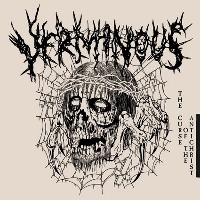
Verminous – Curse of the Antichrist 7″

•September 11, 2013 • 2 Comments

PromoImage (200x200)Why is it that, when a band is confined to doing just one or two songs on a 7”, that song (or songs) can – albeit rarely – blow away a group’s most recent full-length? Could it be that, when the reality of a brief time constraint murmurs at the back of a musician’s mind, he is subconsciously compelled to bring forth his best? I believe this might have been the case with Verminous’ Curse of the Antichrist. Though for whatever reason their LP Unholy Communion (released back in April) did not grab me, Curse of the Antichrist‘s one new (and title) track embodies everything that a great OSDM song should be – catchy vocal rhythyms delivered via a purely demonic but can-be-understood throat, pugilistic musical arrangement that remains interesting throughout its four perfectly-timed minutes, drums played tightly with brilliant fill-work, but not so flashy that headbanging is rendered impossible (note: you can maniacally tap your foot all the way through the varying tempos like a good ol’ timey Thrash tune), and a fat bass tone that pops through every riff as if to declare, “fuck off six-string, I am just as important as you are”. All this and its nice, Slayer-ish half-timer (appearing mid-song) and you’ll be geared for an Araya-like grin. Trust me, your neck will be off to the races (sadly, Tom’s titanium-filled one will not 😉 Perfectly serviceable covers follow: first up, the all-time Nuclear Assault classic ‘Hang The Pope’ grinds in and grinds out, and then (highly appropriate in this context) Nihilist’s “Revel In Flesh”. Both celebrate Verminous’ obvious influences, but each appear draped in these Swedes’ own bits of color.

From band’s own single, ashen offering to their choice of redos, a very palpable sense of humor permeates the entirety of this small slab of vinyl, as if Verminous wish to say: “Whatever your Metal taste, we challenge you to resist yelling along with our rousing chorus: ‘Praise be thy name, Lucifer … Curse of the Antichrist!’ Note: you may feel refreshingly ridiculous and badass, all at once. Which is why this 7” fucking works. Gotta go now, I need to revisit that aforementioned Unholy Communion full-length. Obviously I missed something. -Jim

Blood Harvest

 
Design a site like this with WordPress.com
Get started